
Schäfersee is a heavily polluted urban waterbody. That is precisely why it is so remarkable what can be observed here today: fish, waterbirds and diving birds hunting for prey are once again using the lake continuously.
How well a waterbody functions can also be seen in whether it is once again used as a habitat. At Schäfersee, this is exactly what can be observed today: despite ongoing pollution, the lake is once again being used by fish and waterbirds.
Schäfersee remains a heavily polluted urban waterbody. During rainfall, pollutants from street drainage enter the system. This visible input cannot be prevented by Schäfersee-Verfahren®.
Schäfersee-Verfahren® acts at a different point: it stabilizes the processes within the waterbody so that oxygen crises, toxic putrefaction processes and the associated biological collapses do not occur.
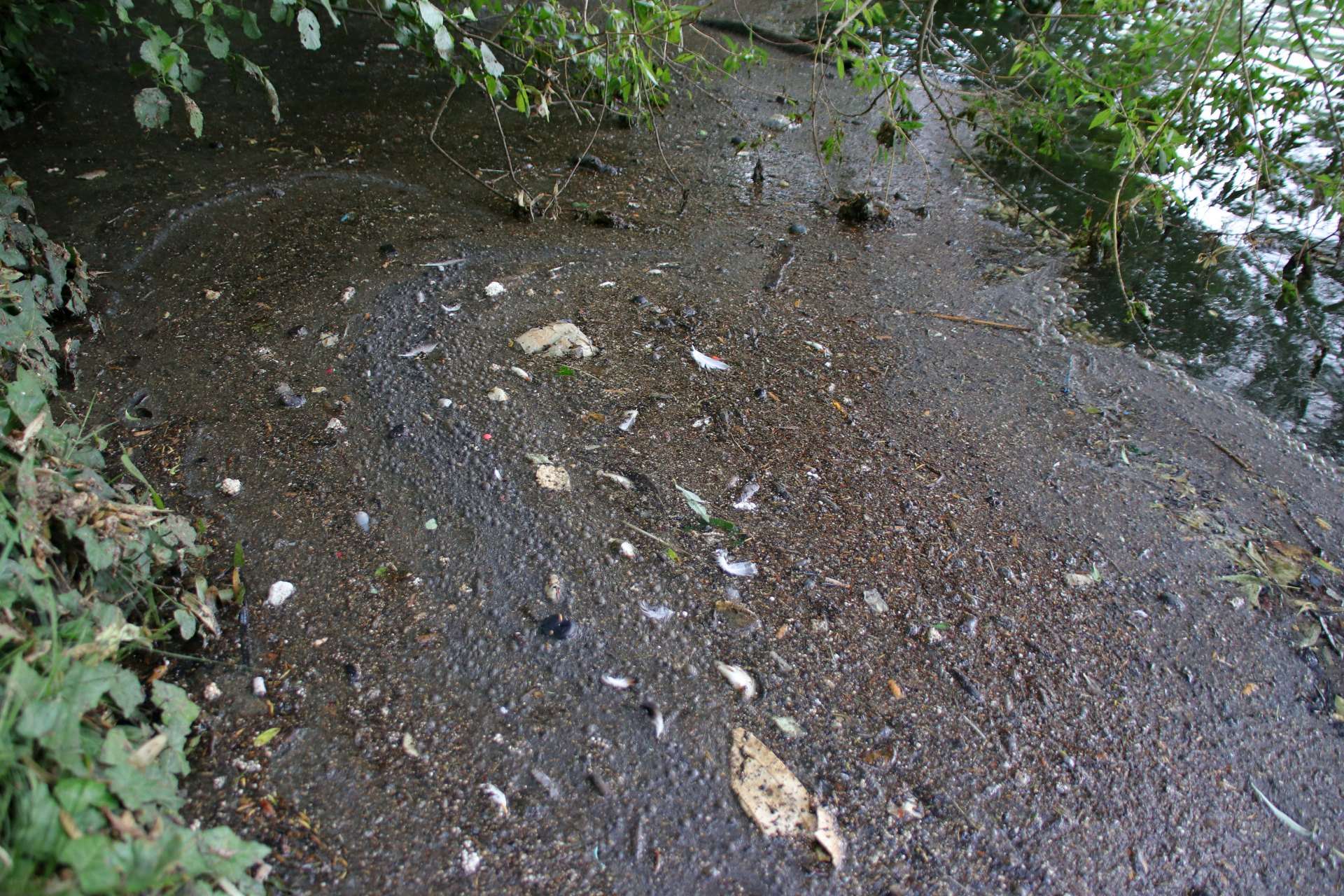
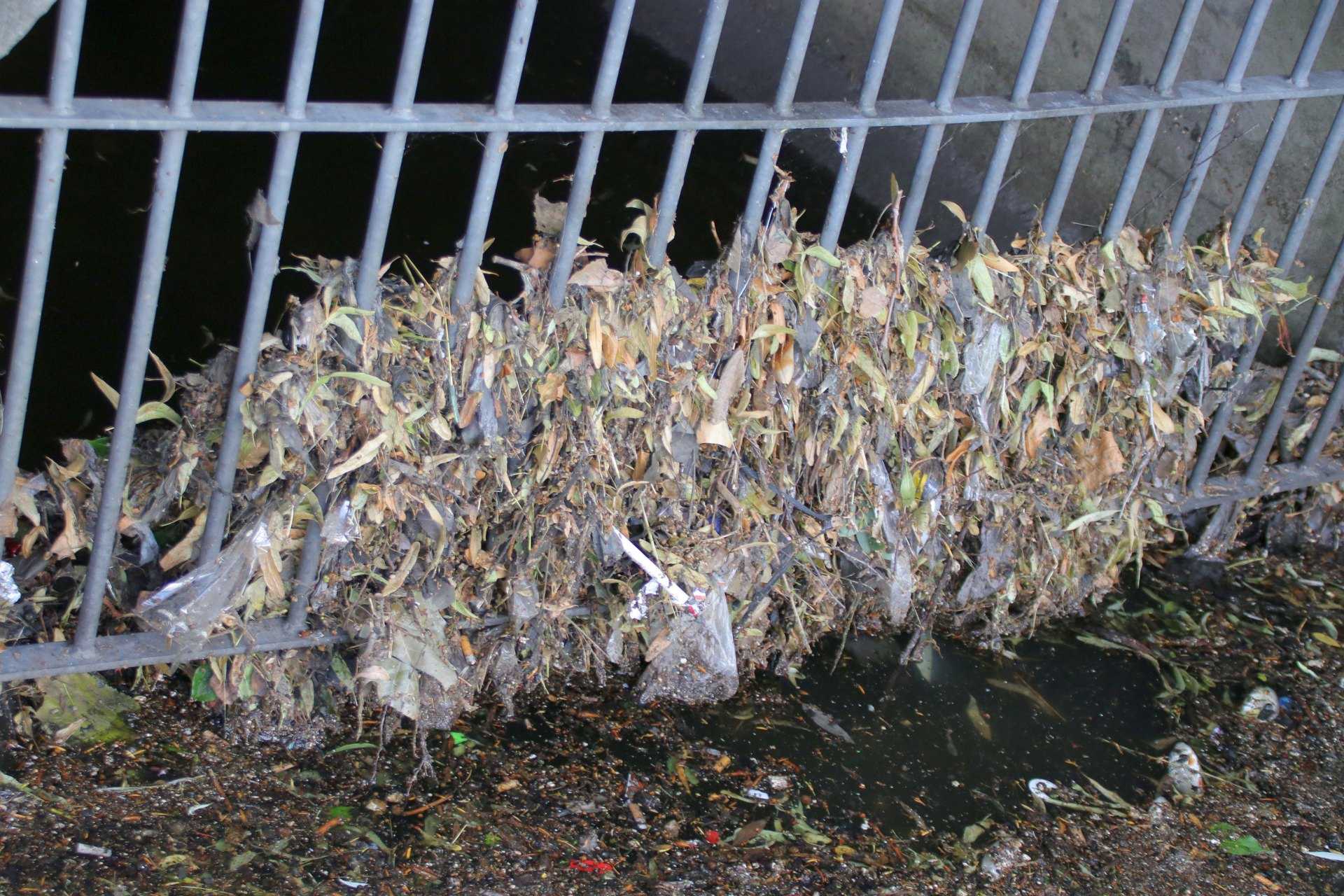
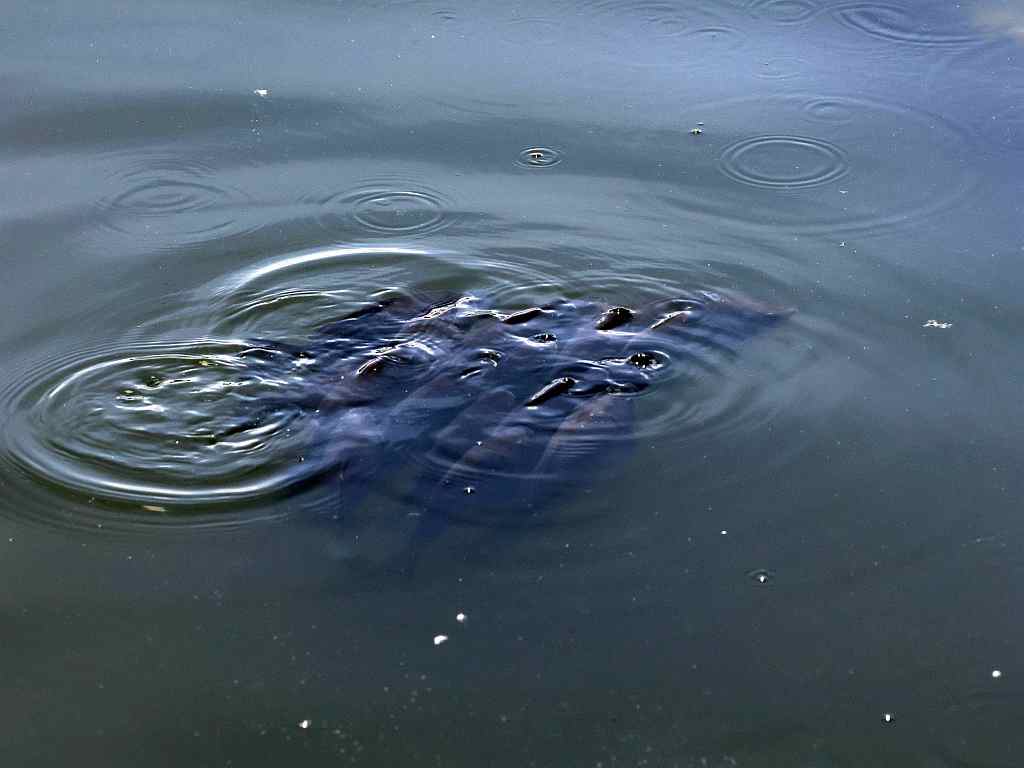
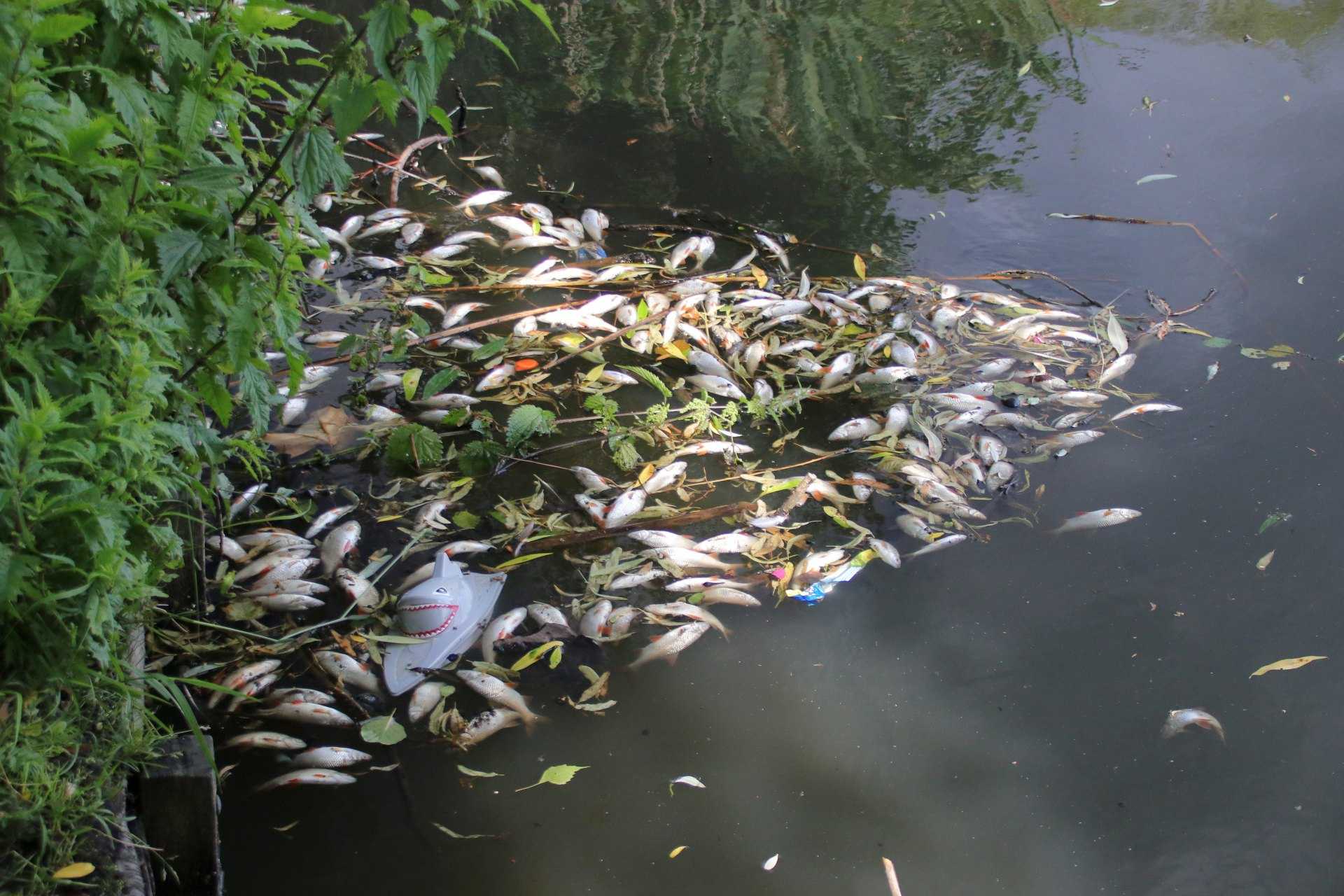
The pollution of the lake was not merely a theoretical problem in the past. During critical phases, fish could be seen gasping for oxygen at the surface, and dead animals were found along the shore.
Such images belong to the history of Schäfersee. They make clear why stabilizing the waterbody is not only a technical issue, but also a question of habitat.
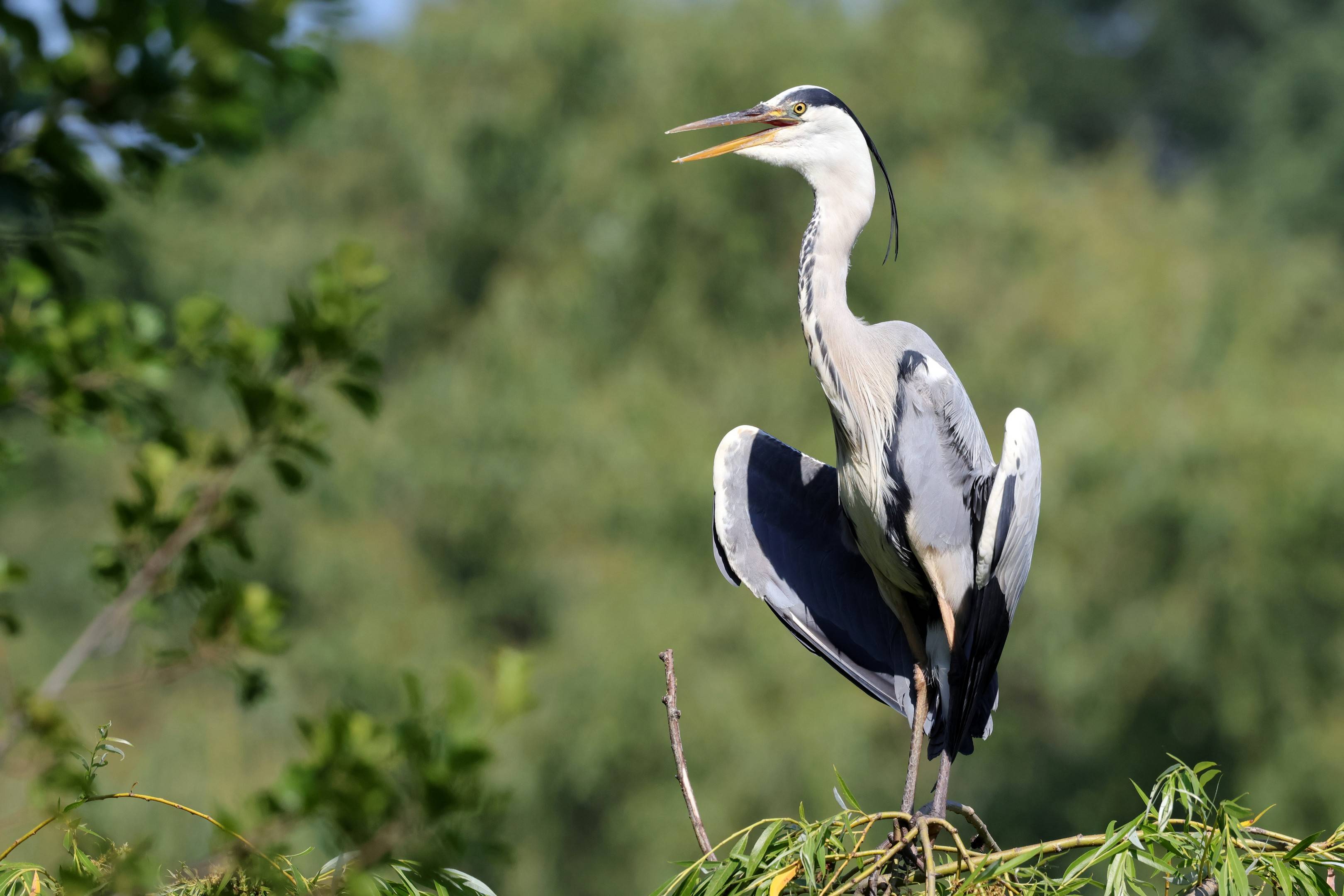
The change at Schäfersee is now visible in everyday life: the lake is once again being used – by fish, by waterbirds and by diving birds hunting for prey.
Particularly striking is the red-necked grebe. It is not among the common breeding birds and would not normally be expected at a heavily polluted inner-city waterbody. The fact that it now appears regularly at Schäfersee and even hunts here is therefore remarkable.
A bird does not hunt where there is permanently nothing to be found. Visible foraging and successful hunting are therefore more than beautiful nature images – they show that the lake is once again functioning as a feeding habitat.
This page adds a visual dimension to the scientific investigations at Schäfersee: it shows how the stabilization of the waterbody is reflected in the observable life around it.
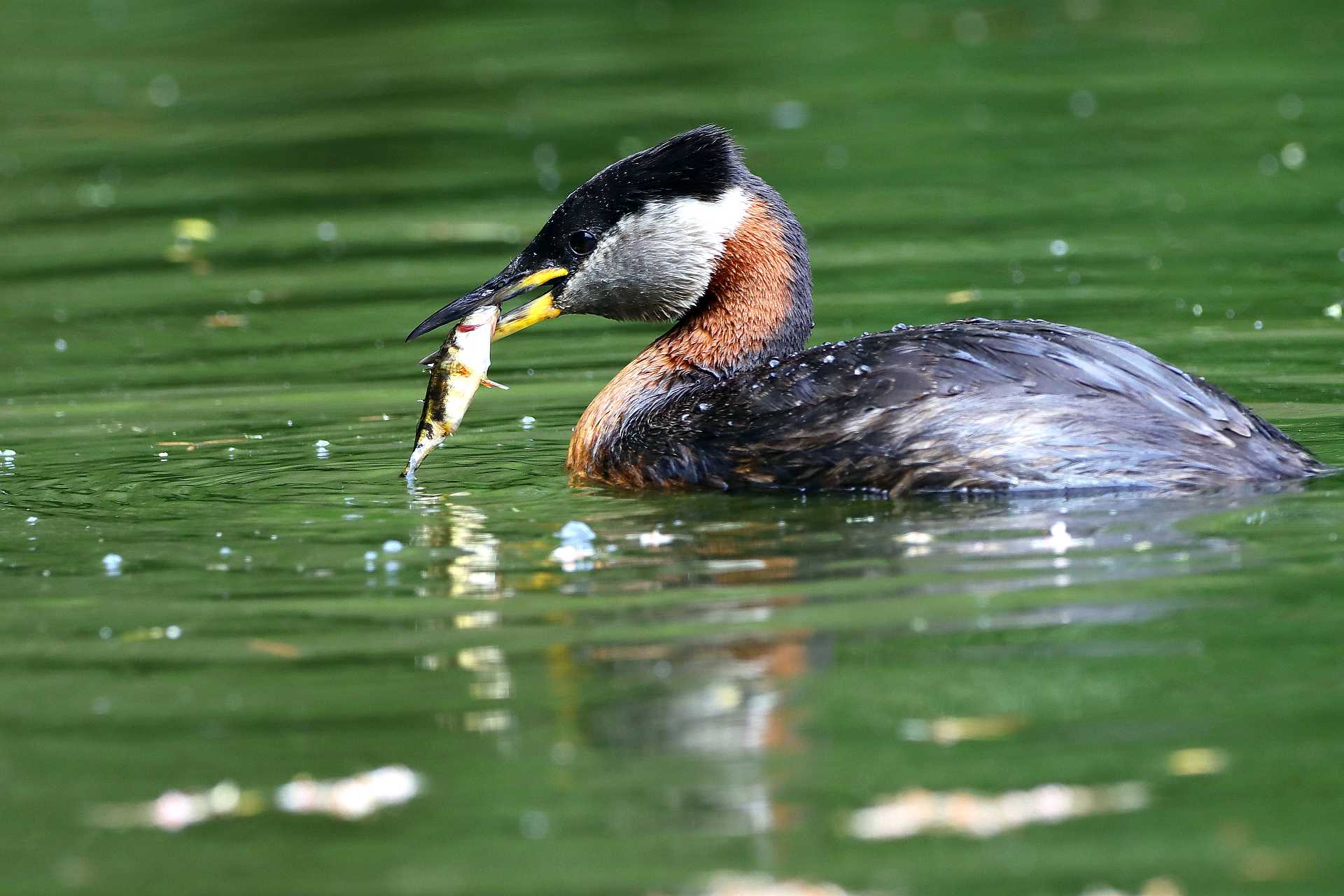
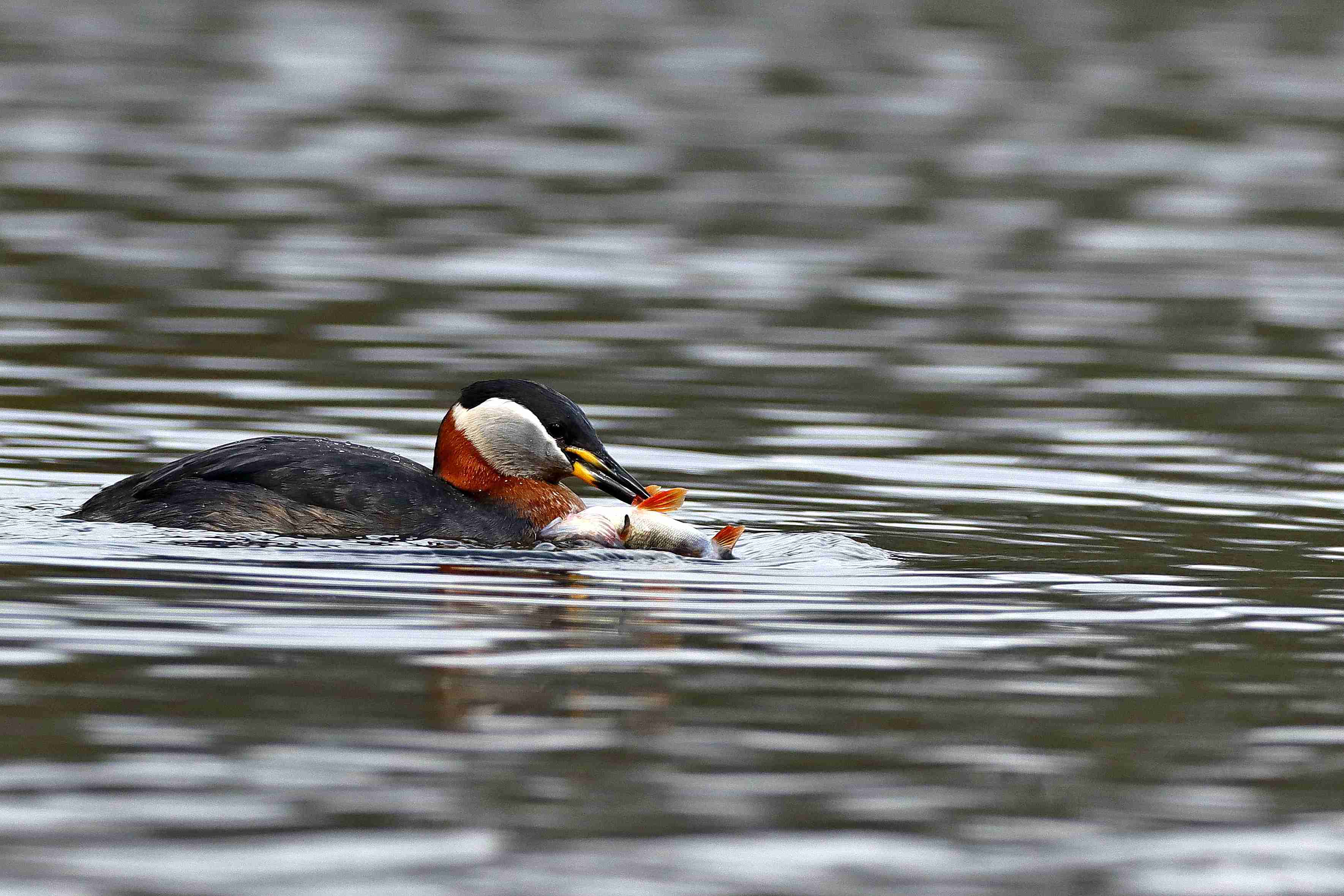
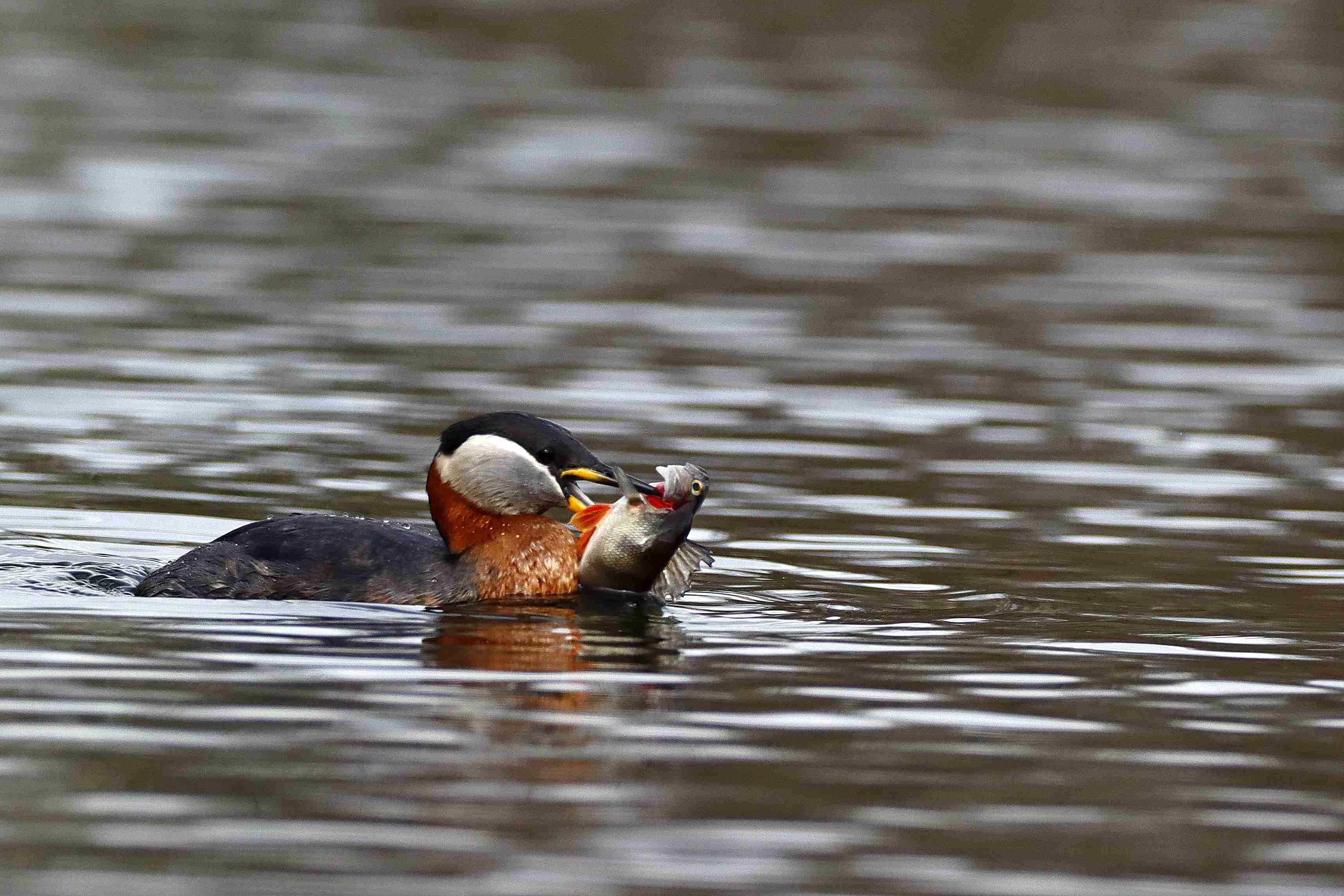
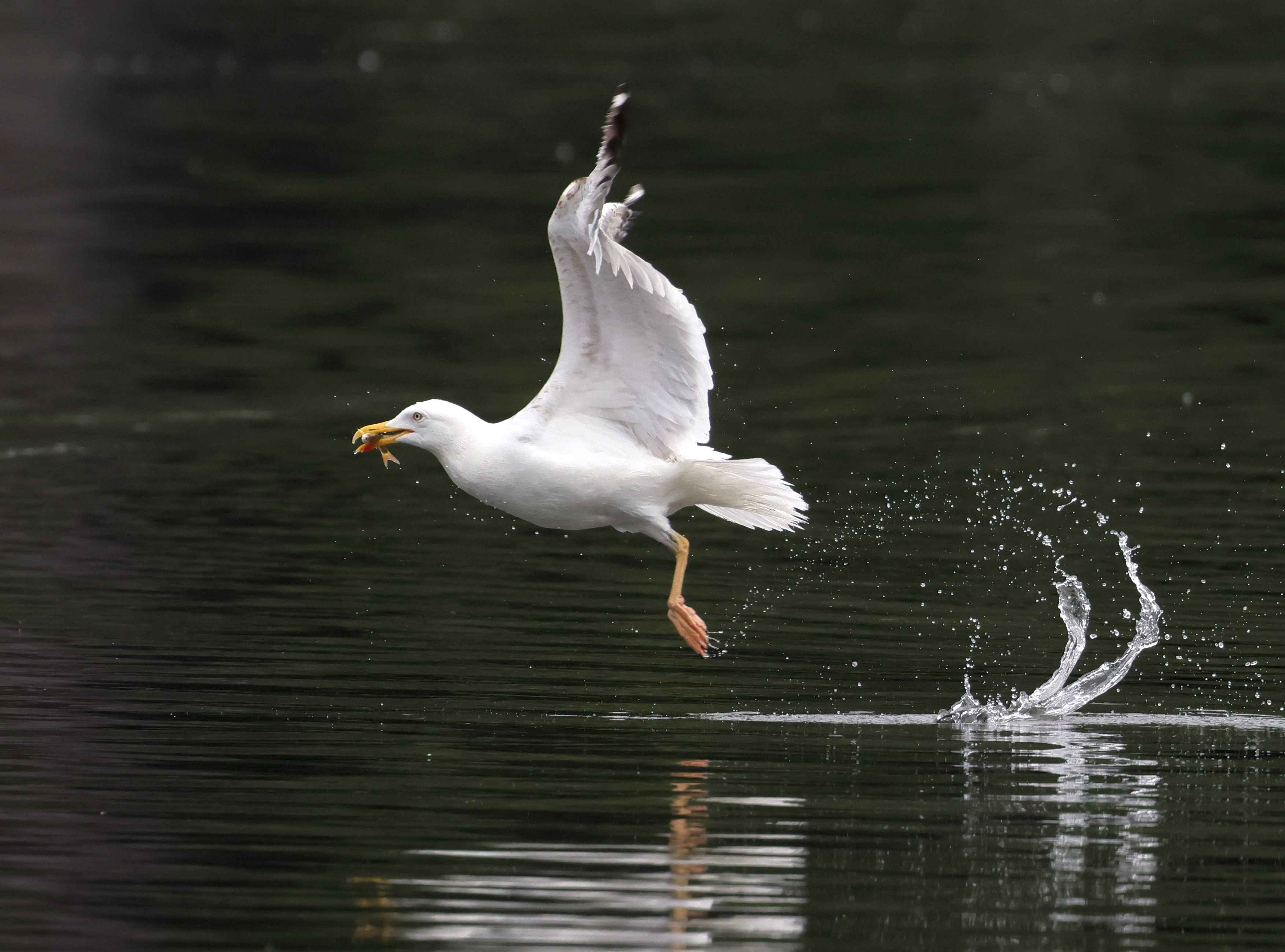
Photographs: Jürgen Erdmann
The fact that red-necked grebes appear regularly at all in a heavily polluted inner-city waterbody such as Schäfersee is already remarkable. In 2026, several birds are currently being observed preparing for reproduction. Observations suggest that multiple pairs are present on the lake.
This is supported by floating nesting aids installed near the shore. They provide protection from disturbance and from predators such as foxes or raccoons, while still allowing the chicks short distances to suitable feeding areas.
These nesting aids are due in large part to the initiative of the nature observer Jürgen Erdmann, who worked independently and with great dedication to help establish them. Together with other local actors around Schäfersee, this shows that life at the lake is not only observed, but also actively supported.
Schäfersee is therefore not only a technical project, but also a place of considerable social significance. Local residents follow the development of the waterbody closely, speak about the changes they observe and advocate for the protection of the animals. This connection between the lake and its surroundings is an important part of what becomes visible here.
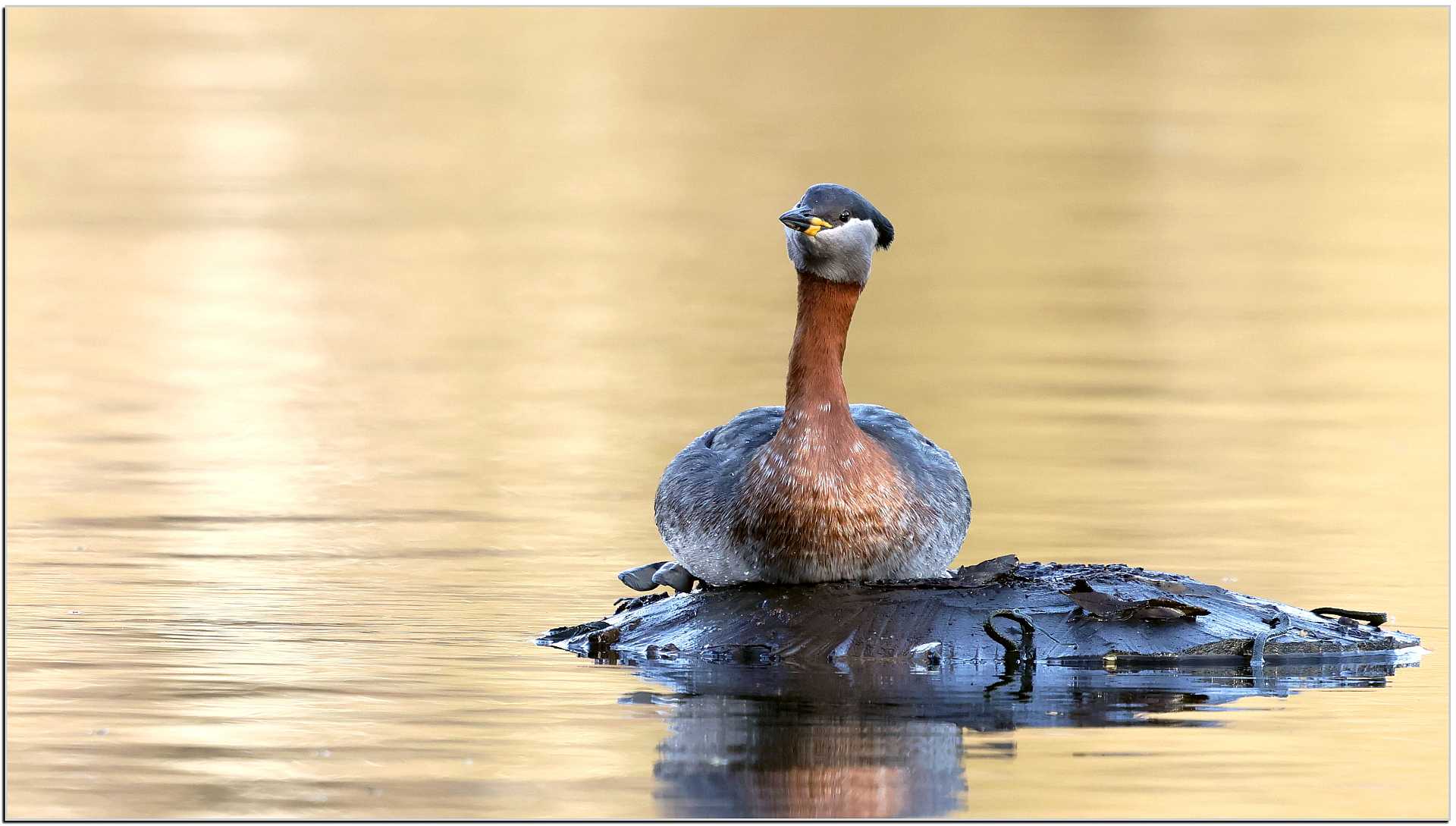
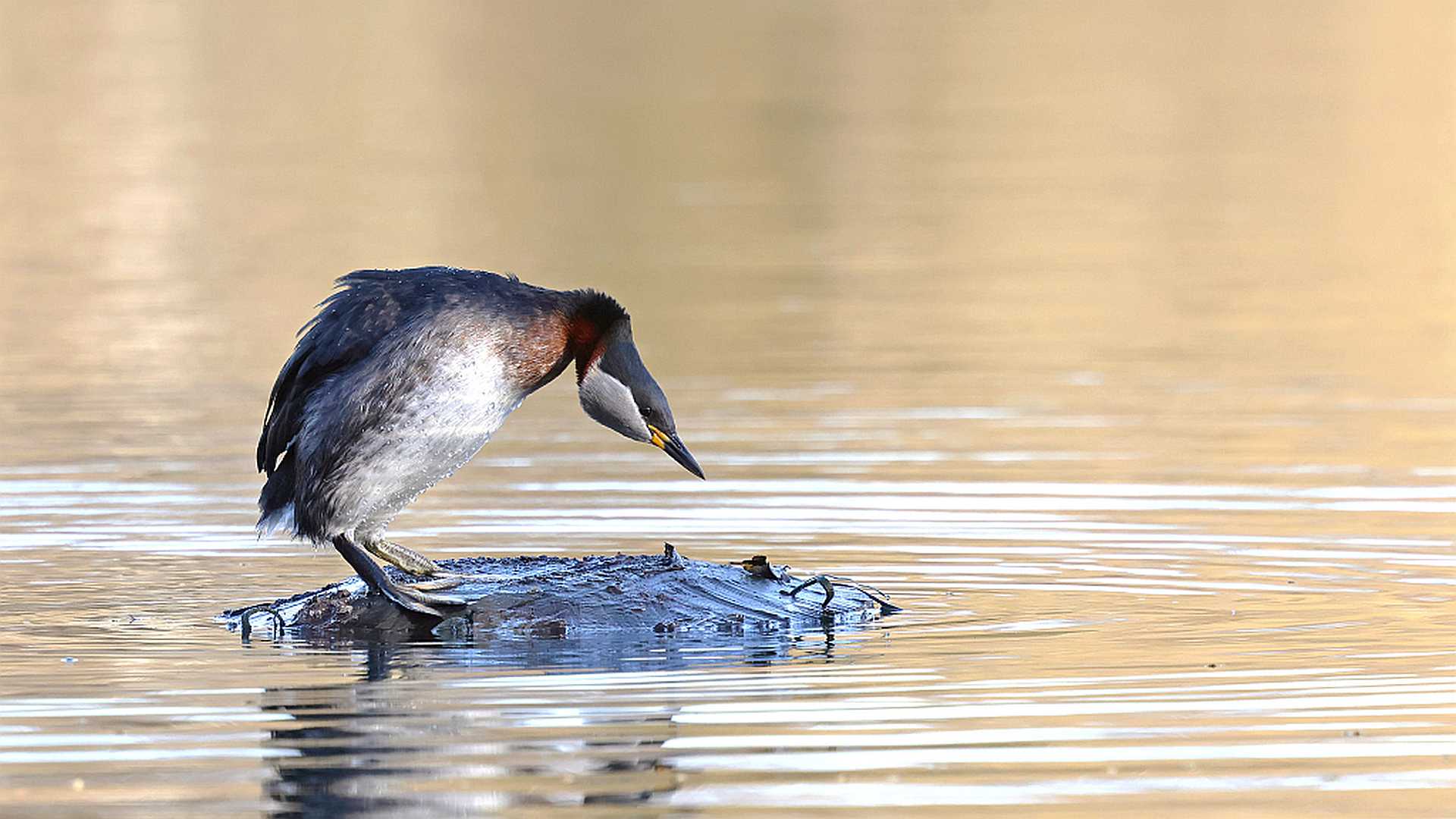
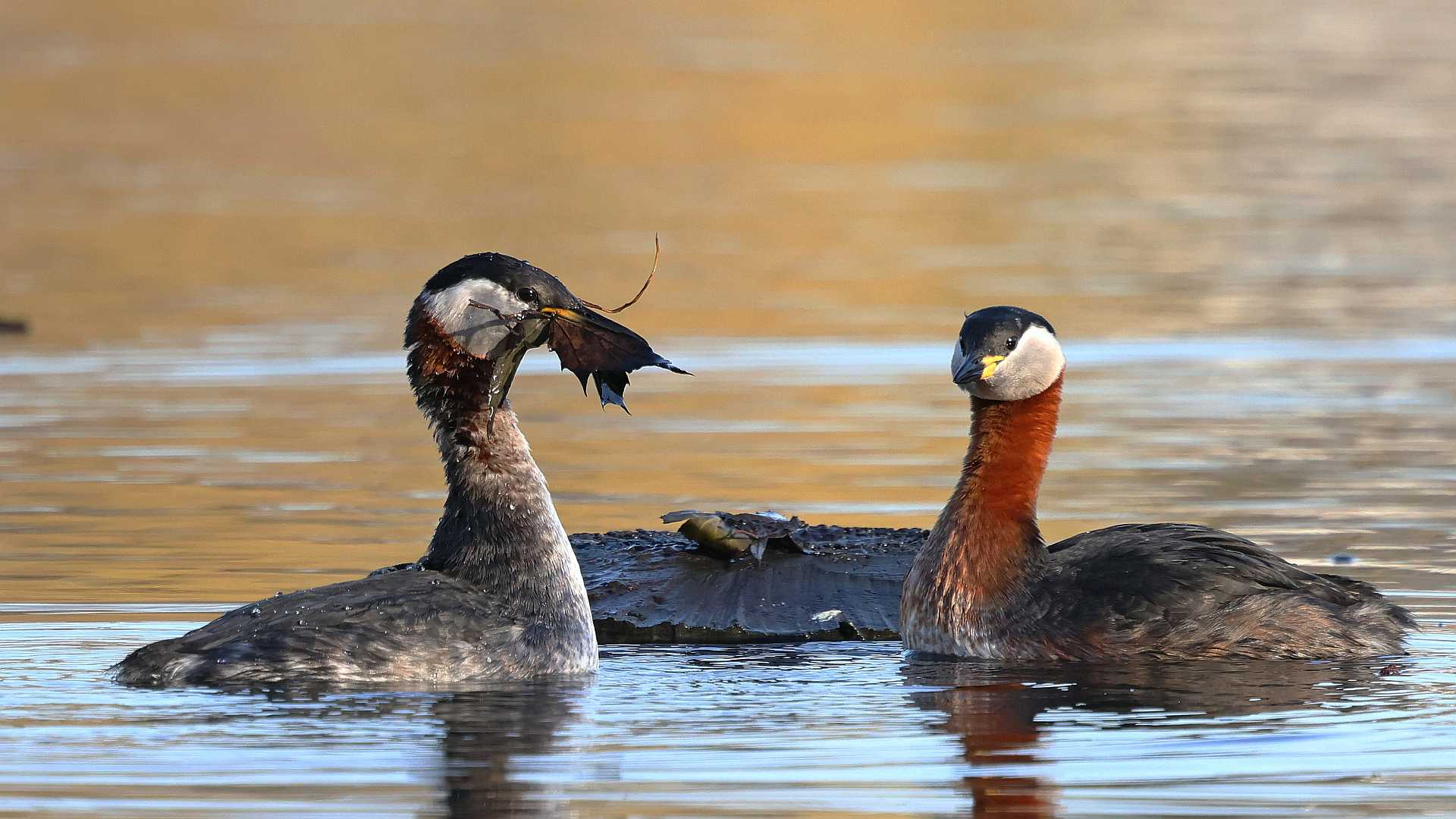
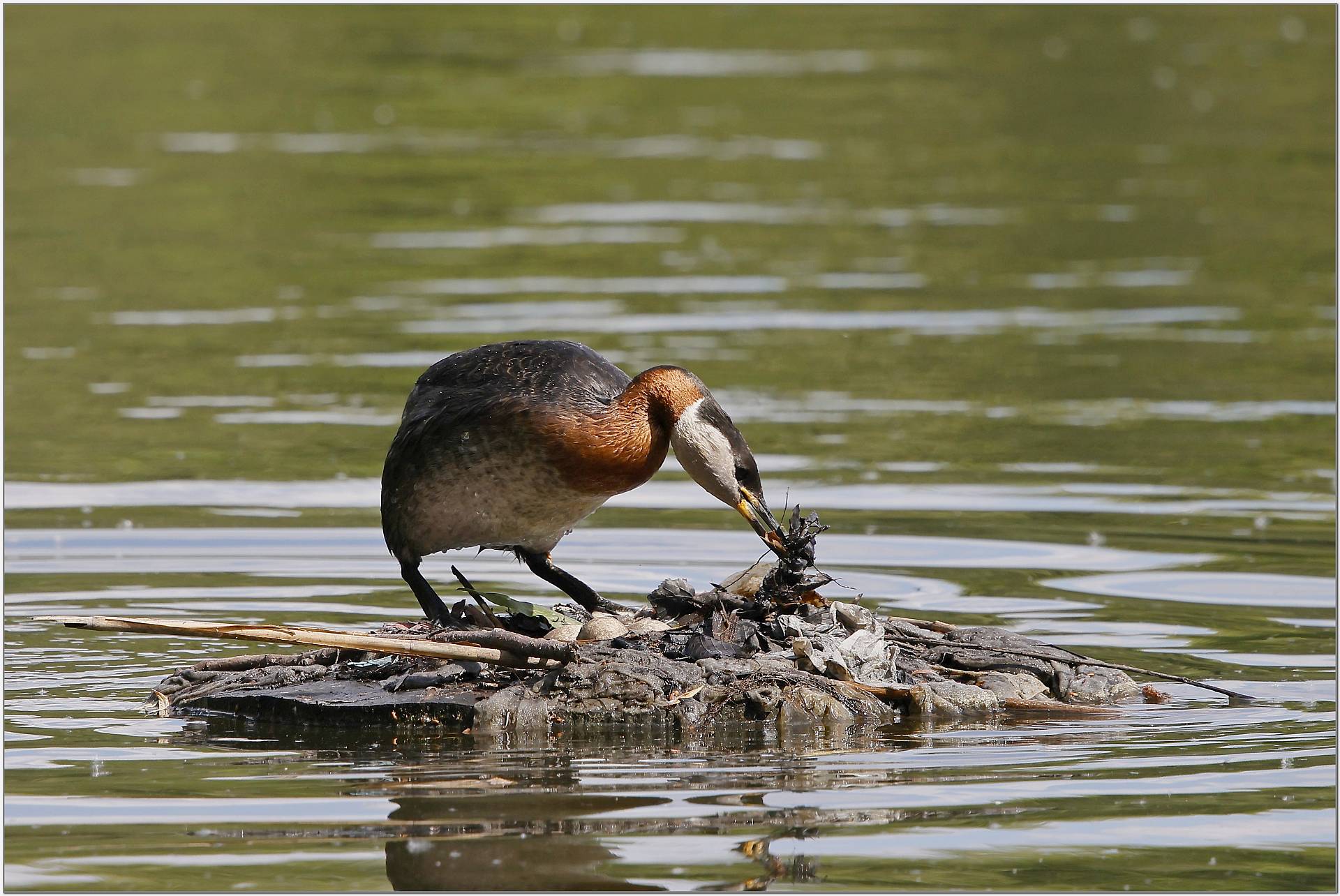
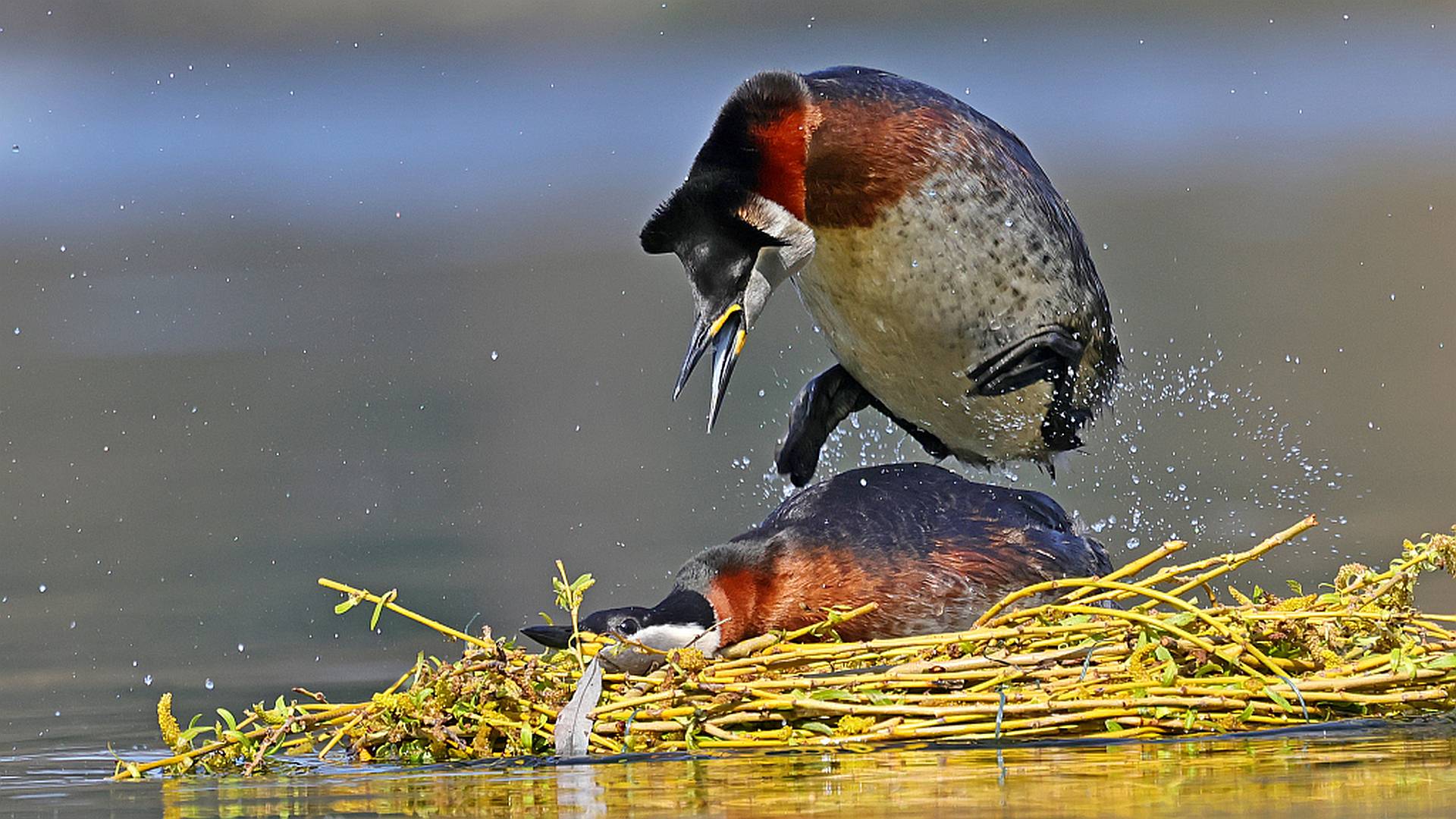
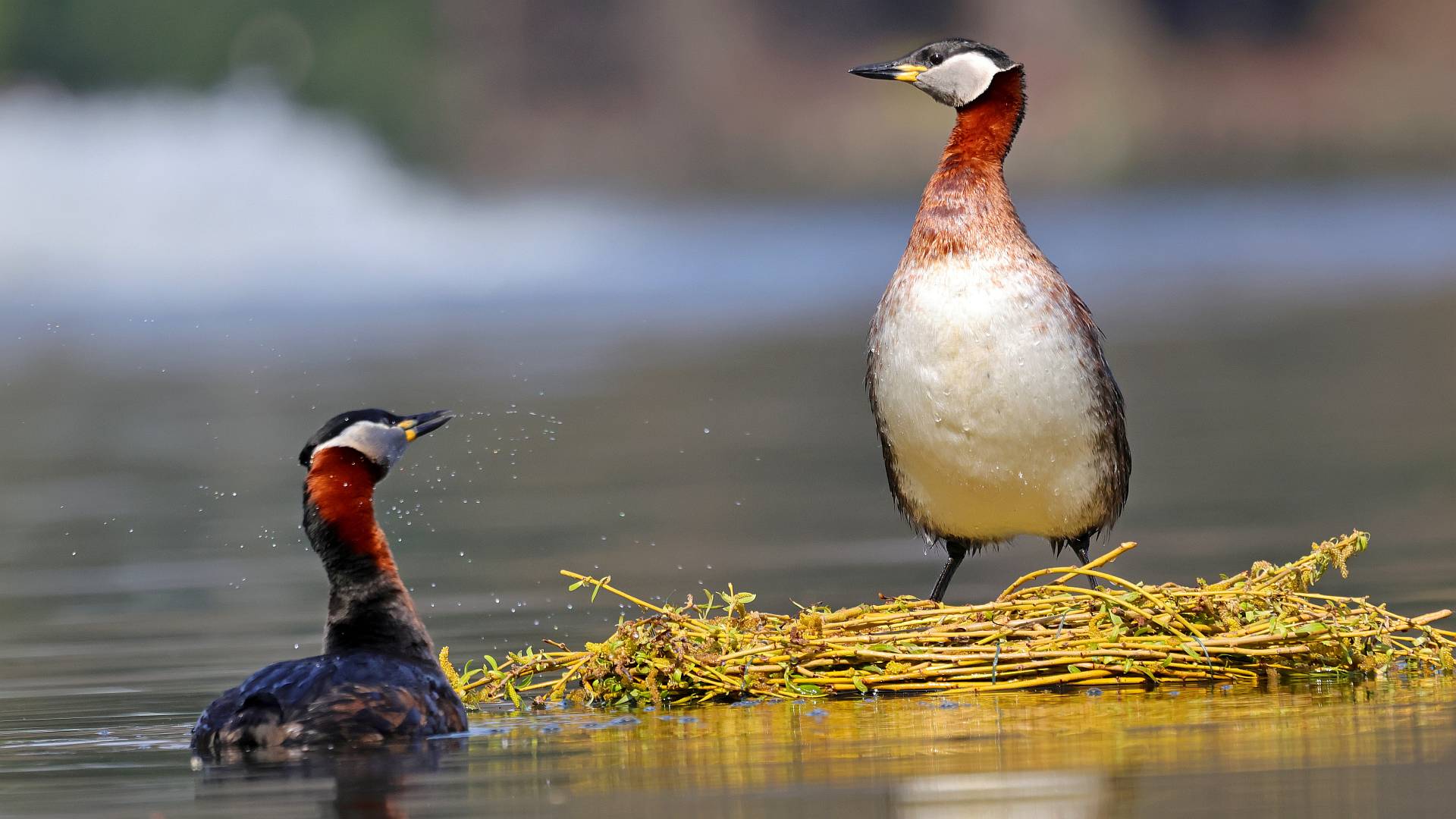
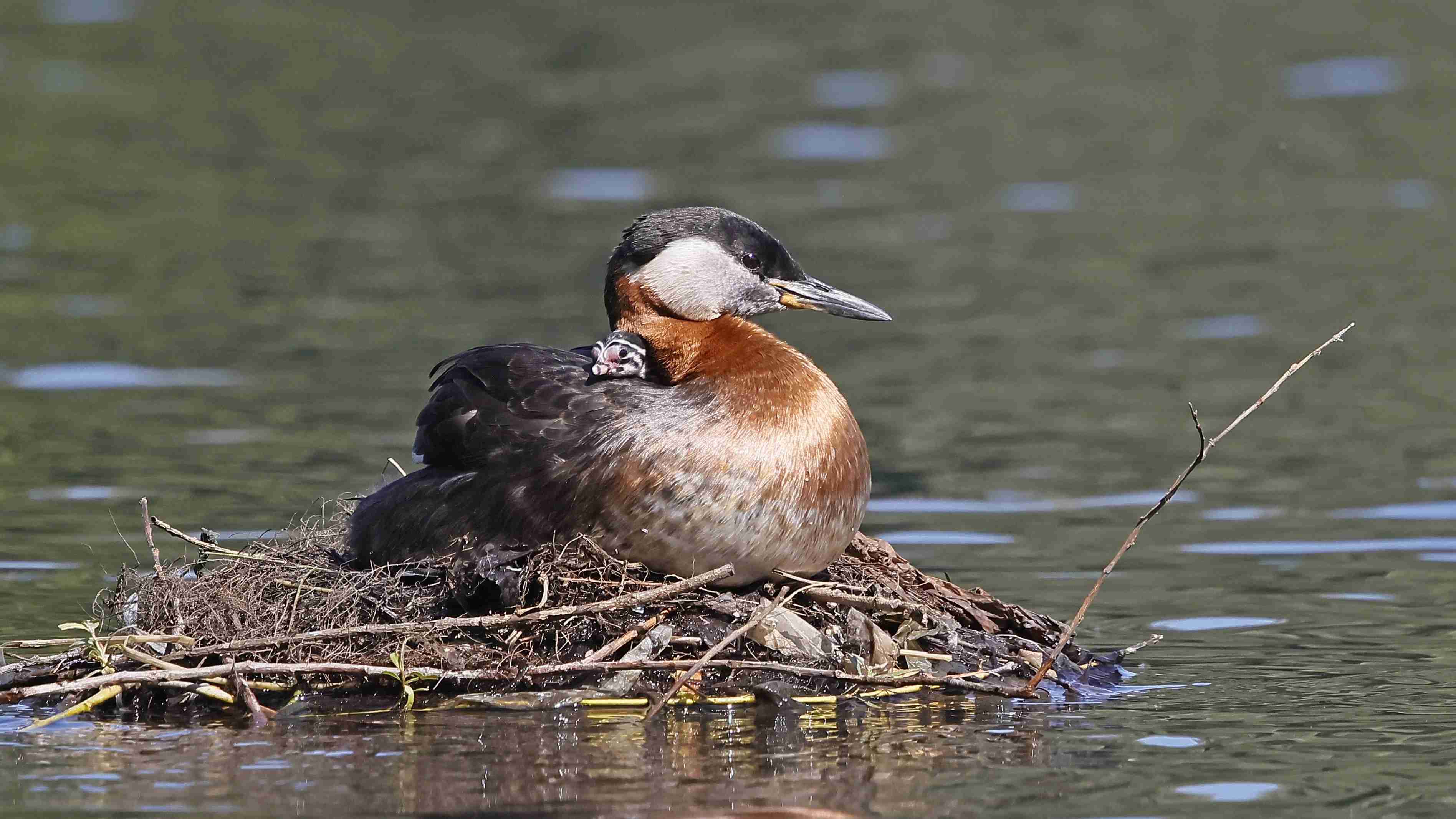
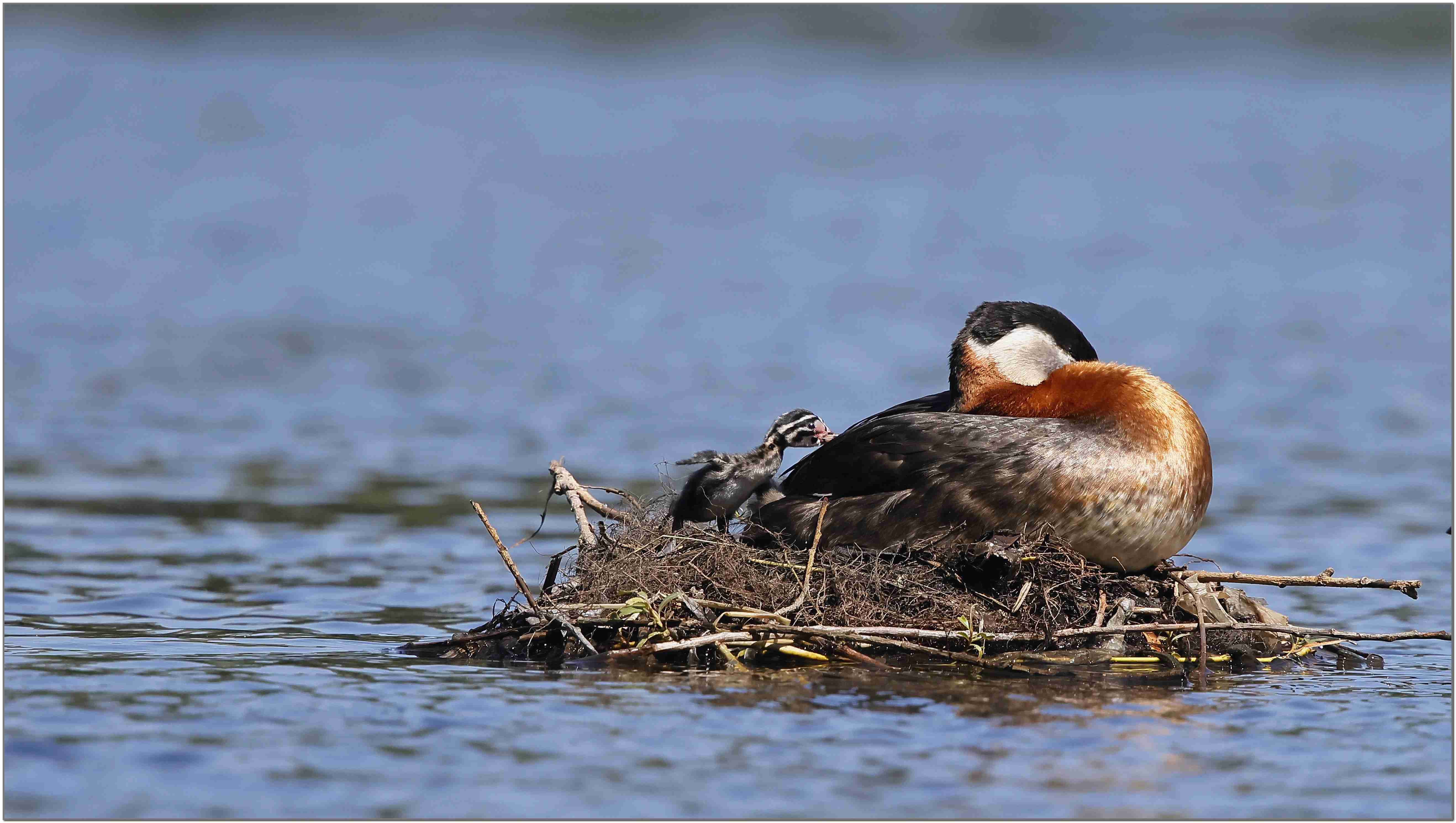
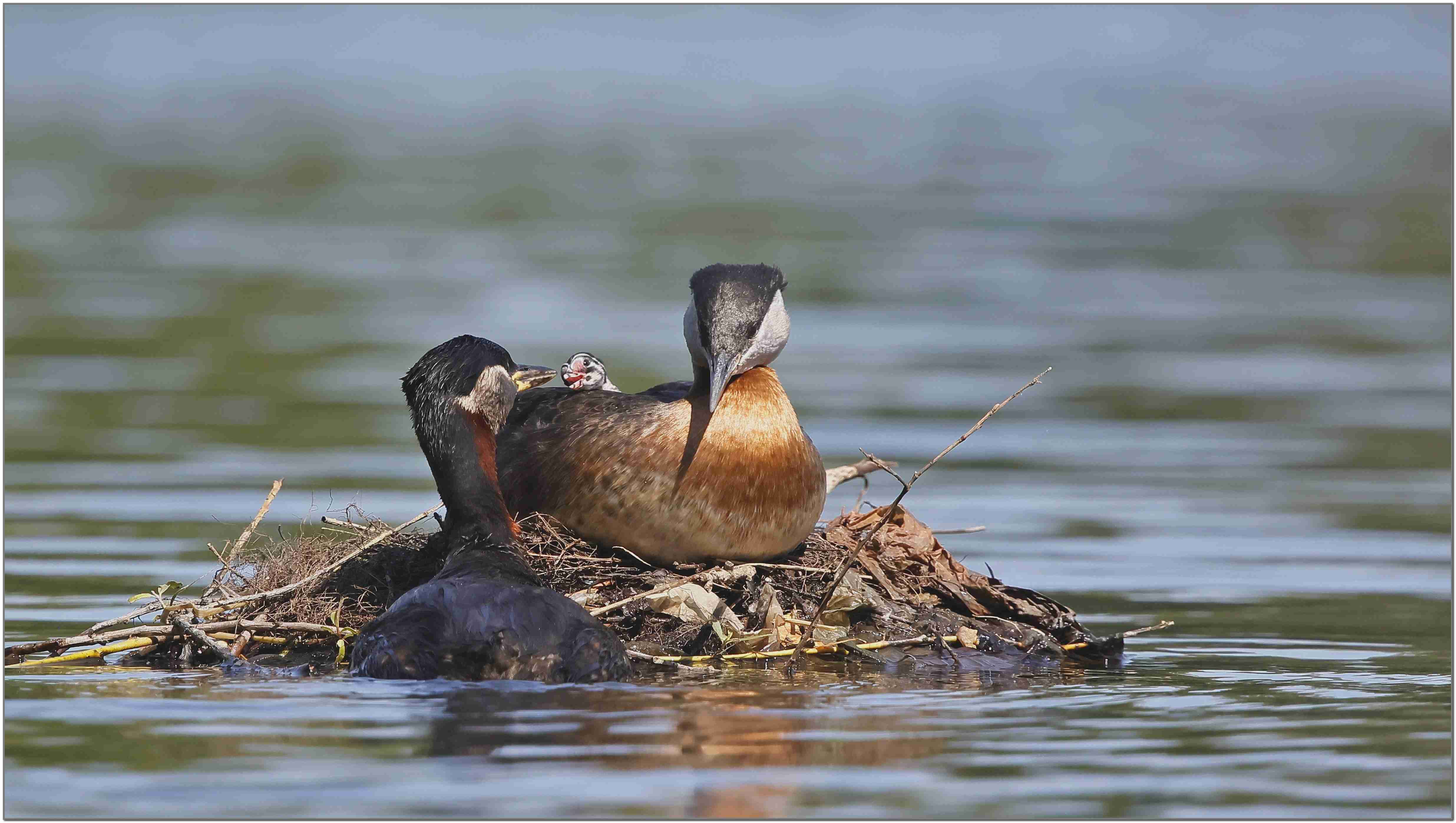
Photographs: Corinna Winkler (first three nesting-aid photographs); all other photographs: Jürgen Erdmann
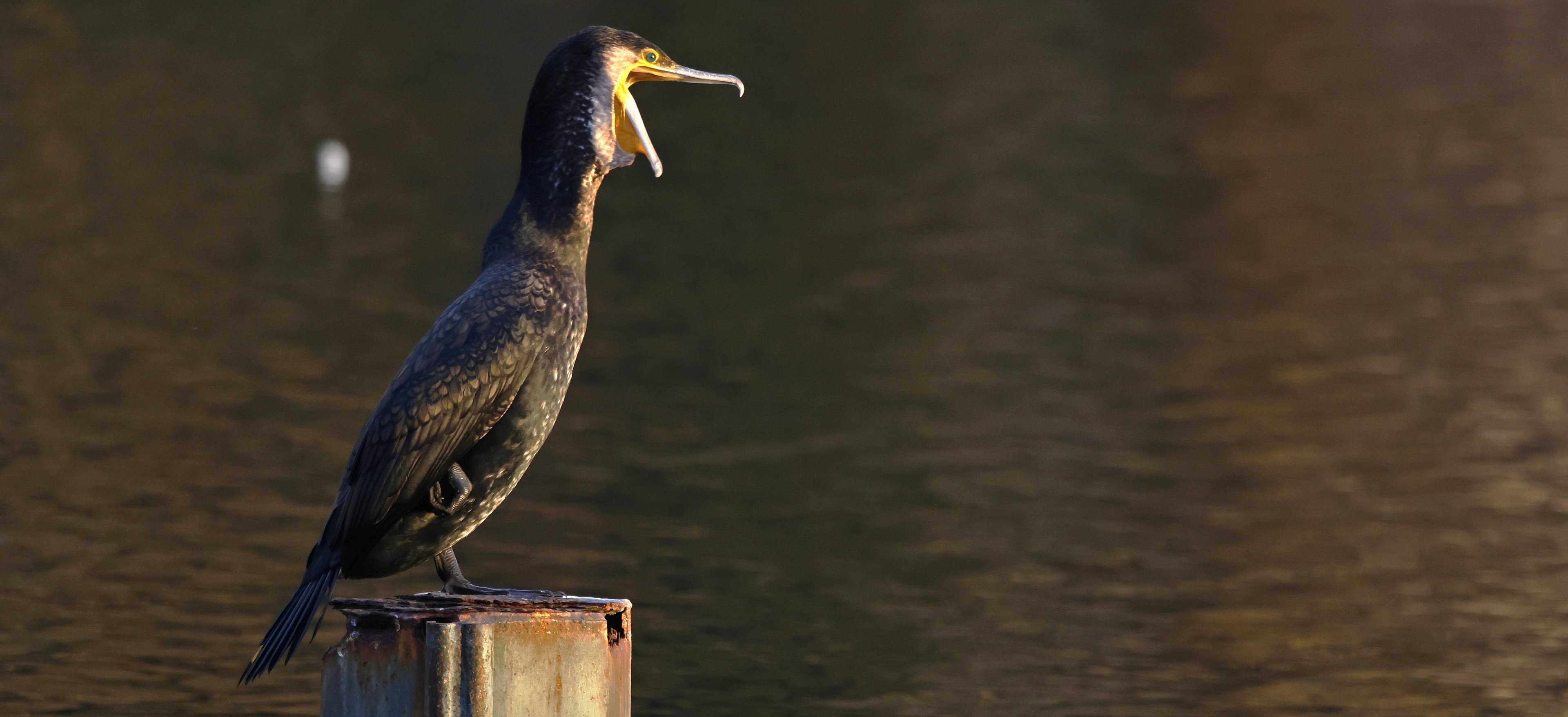
Schäfersee is not used only by a few conspicuous species. Many other waterbirds can also be observed here regularly: resting and courting pairs, adults with young, as well as species that use the lake as a feeding and resting habitat.
For a small, heavily polluted inner-city waterbody, this use is remarkable. It shows that the lake is once again being used in different functions: as habitat, as breeding environment and as a space for feeding.
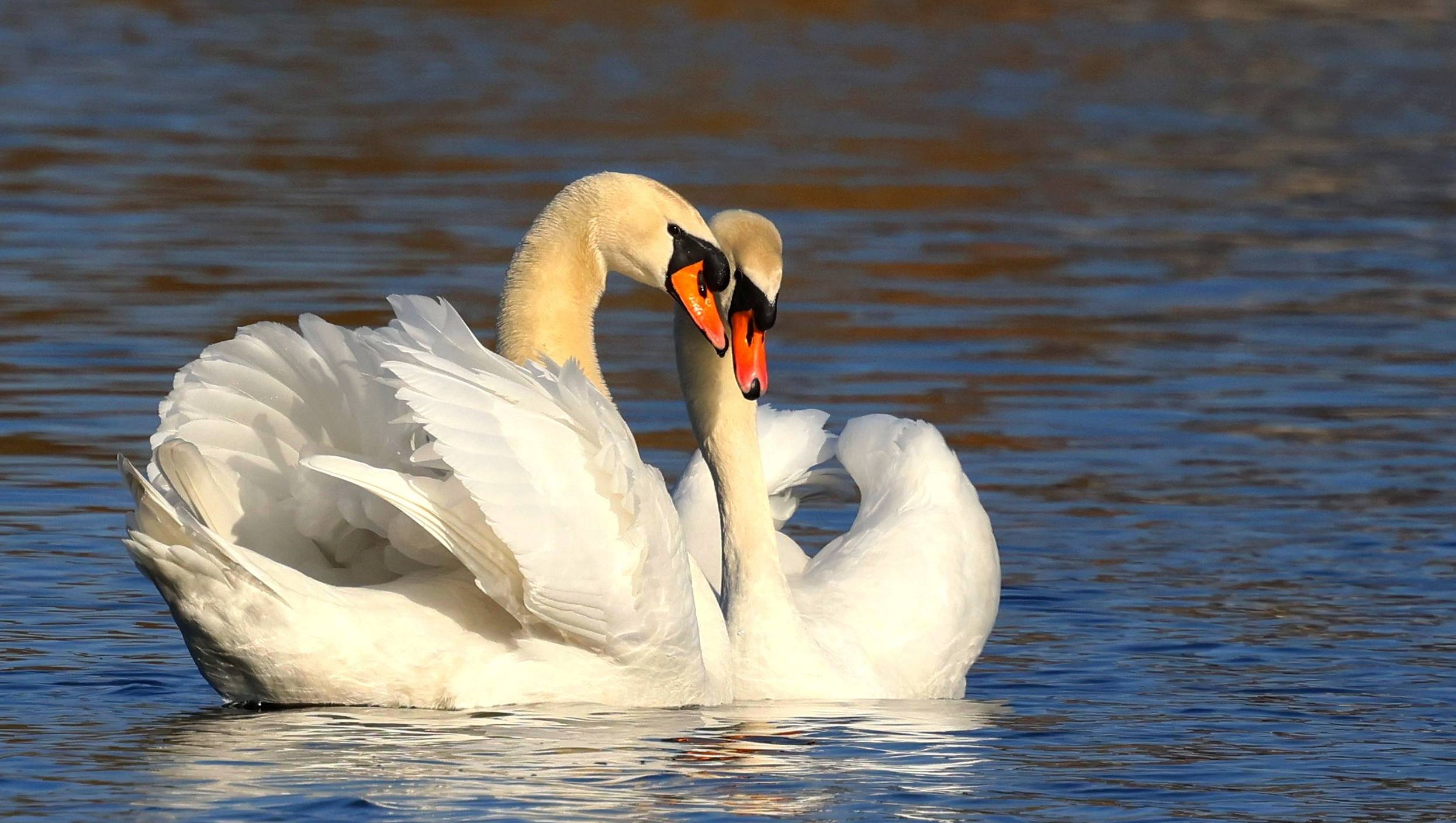
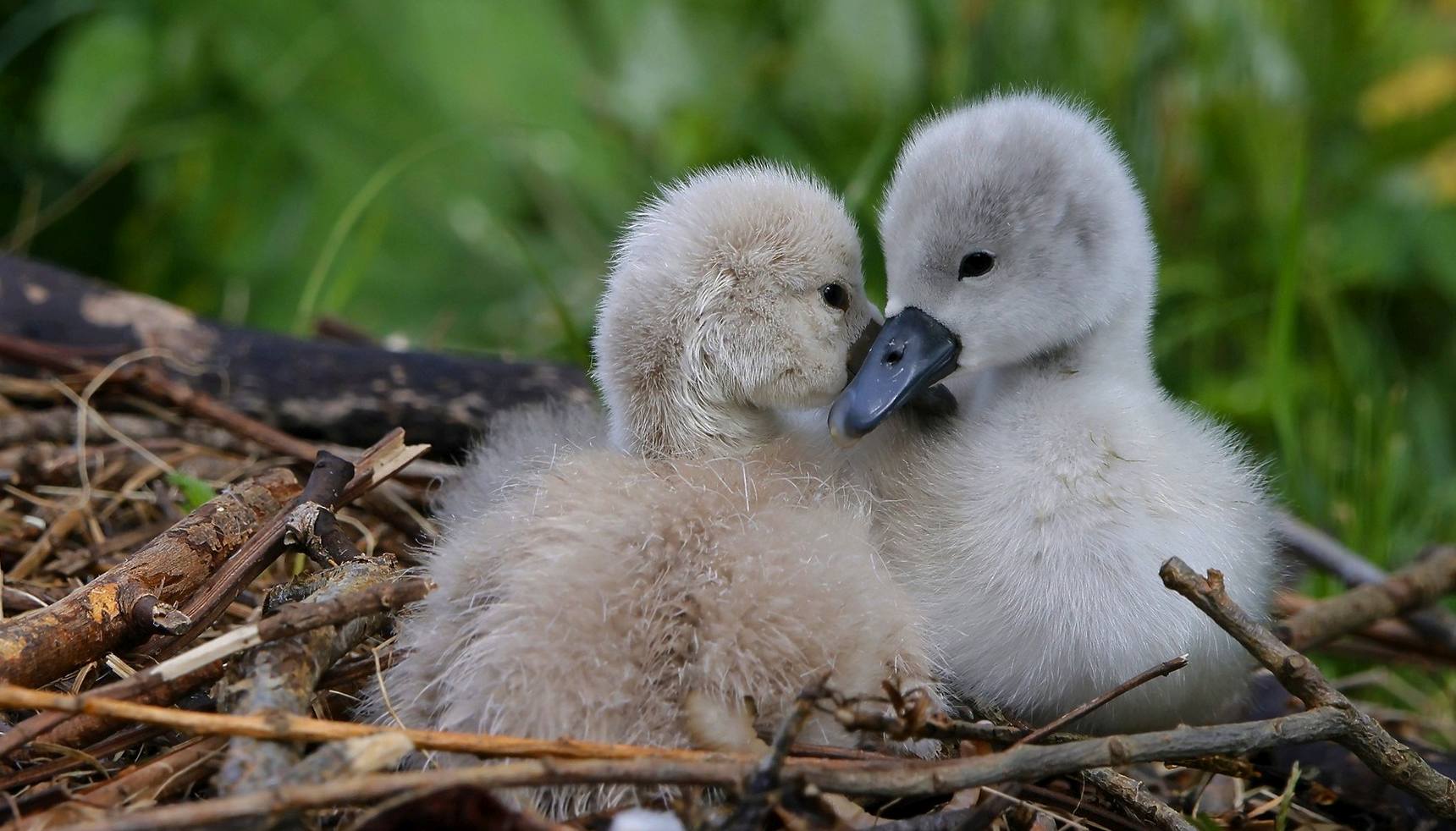
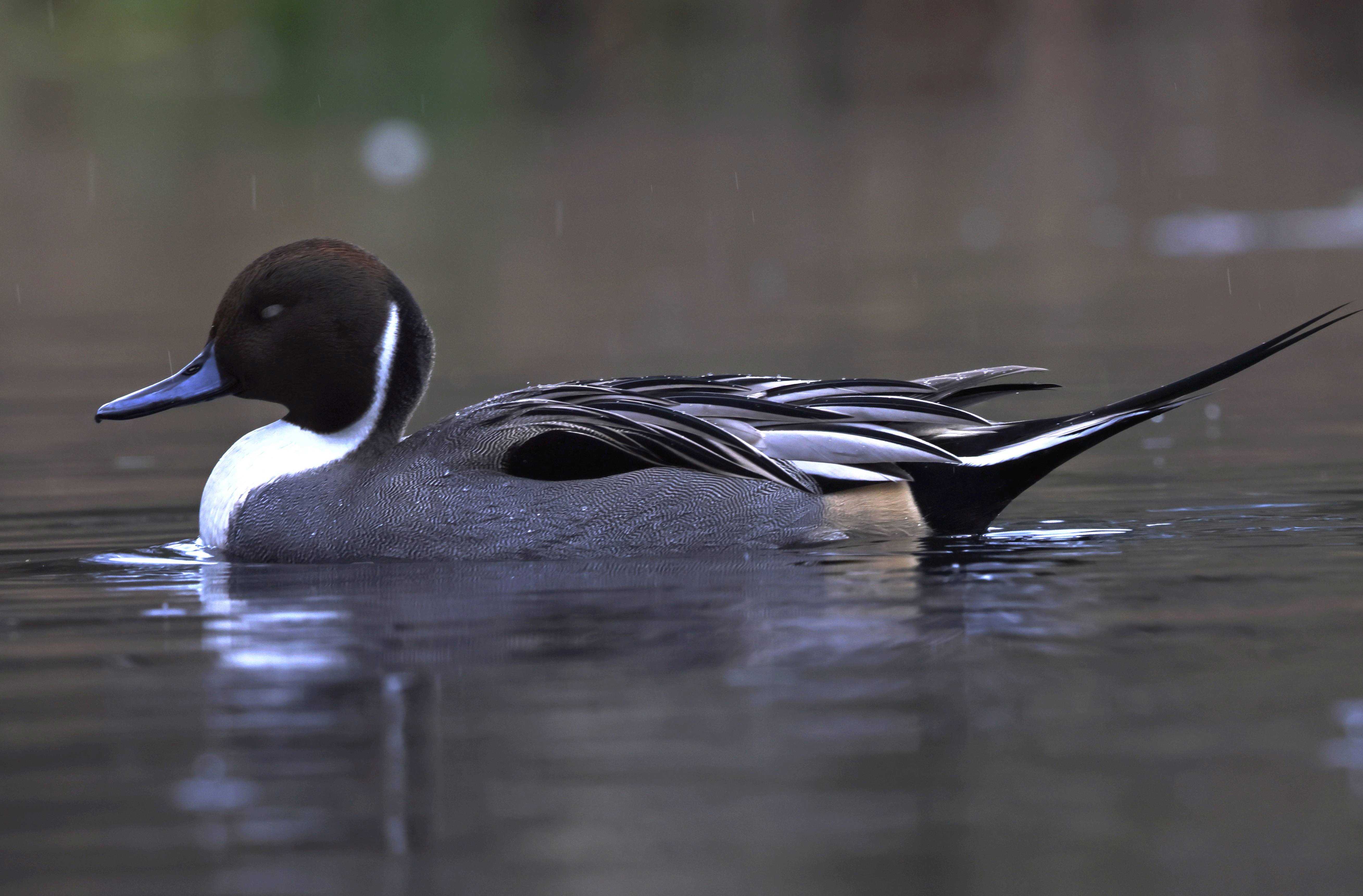
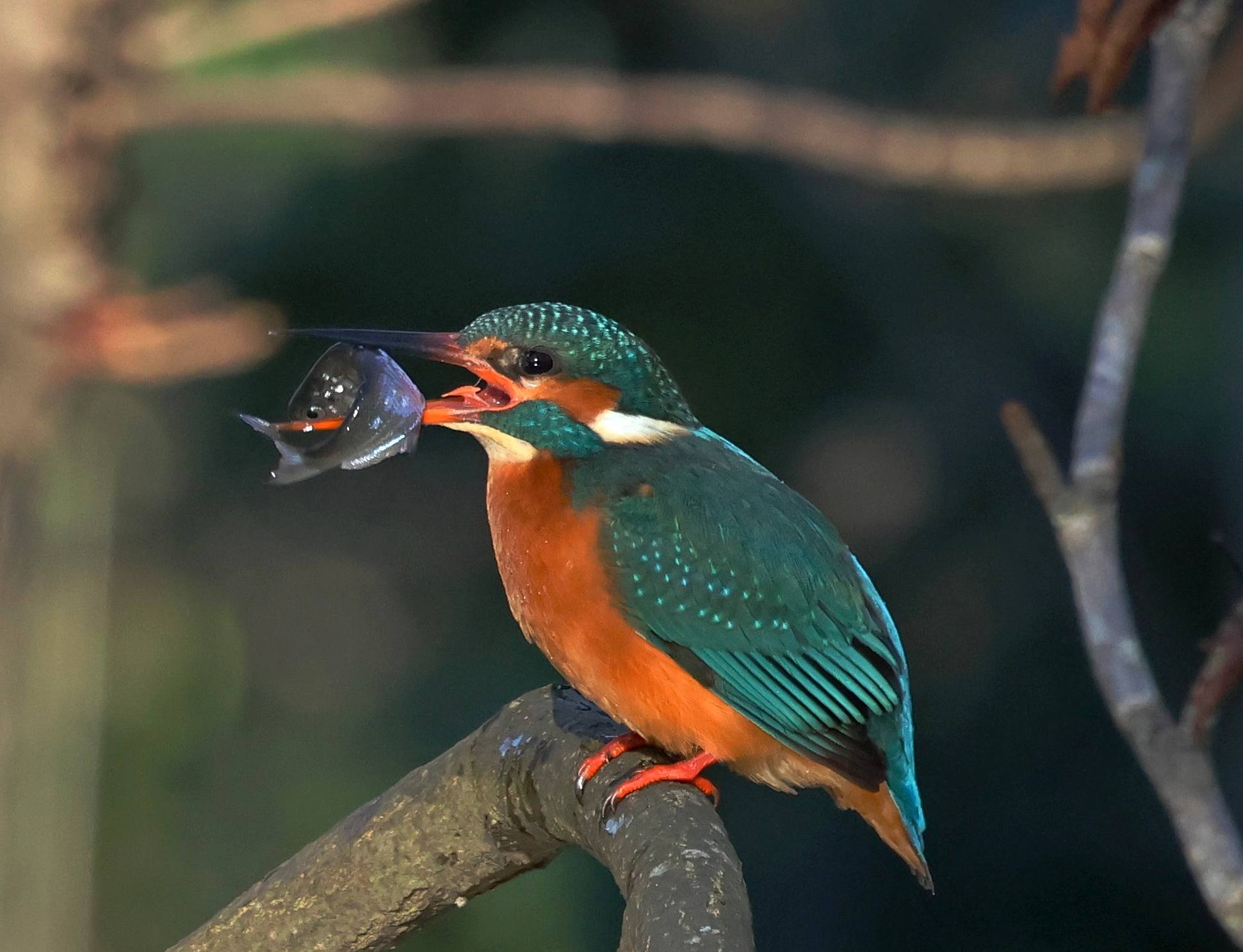
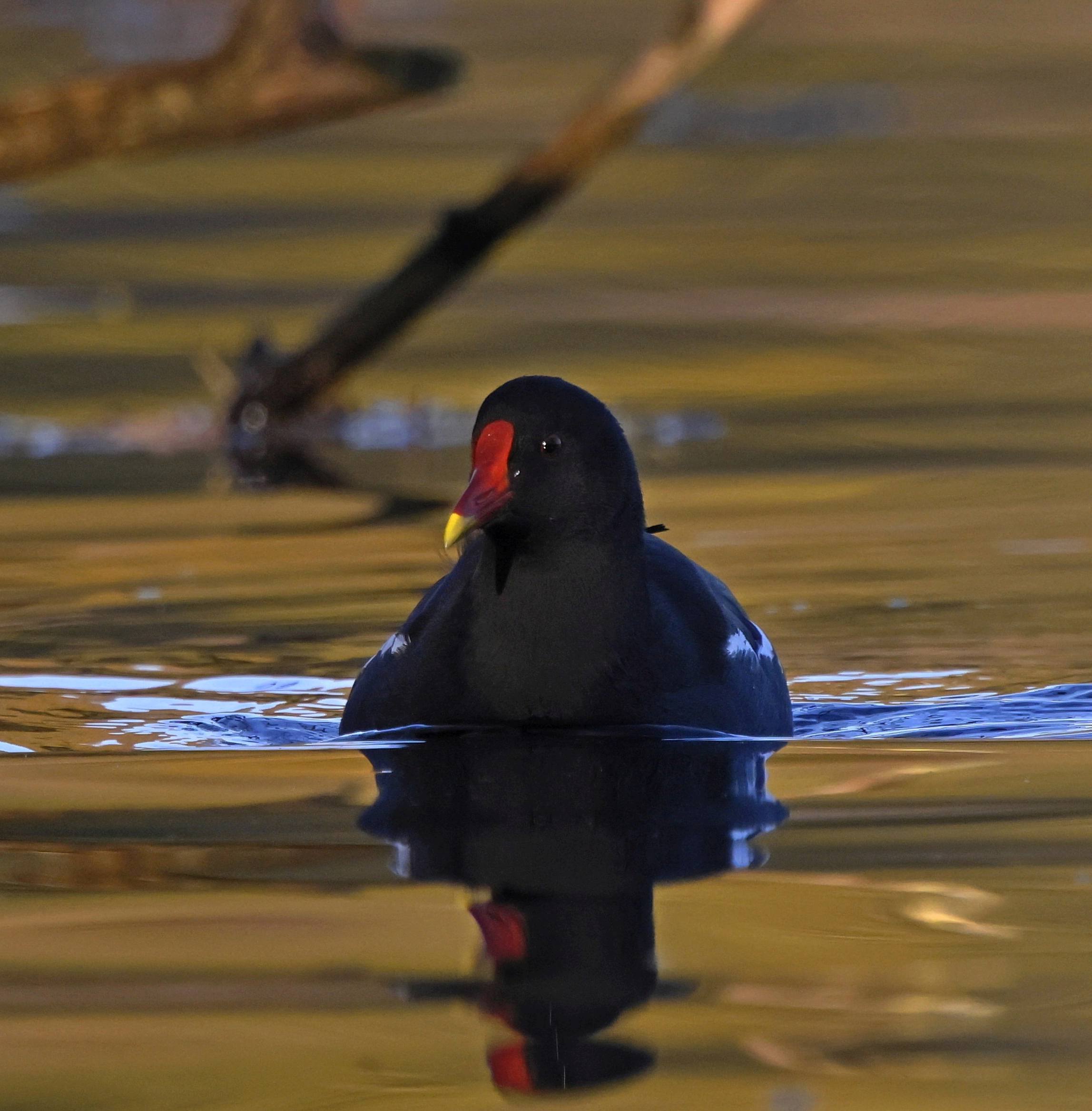
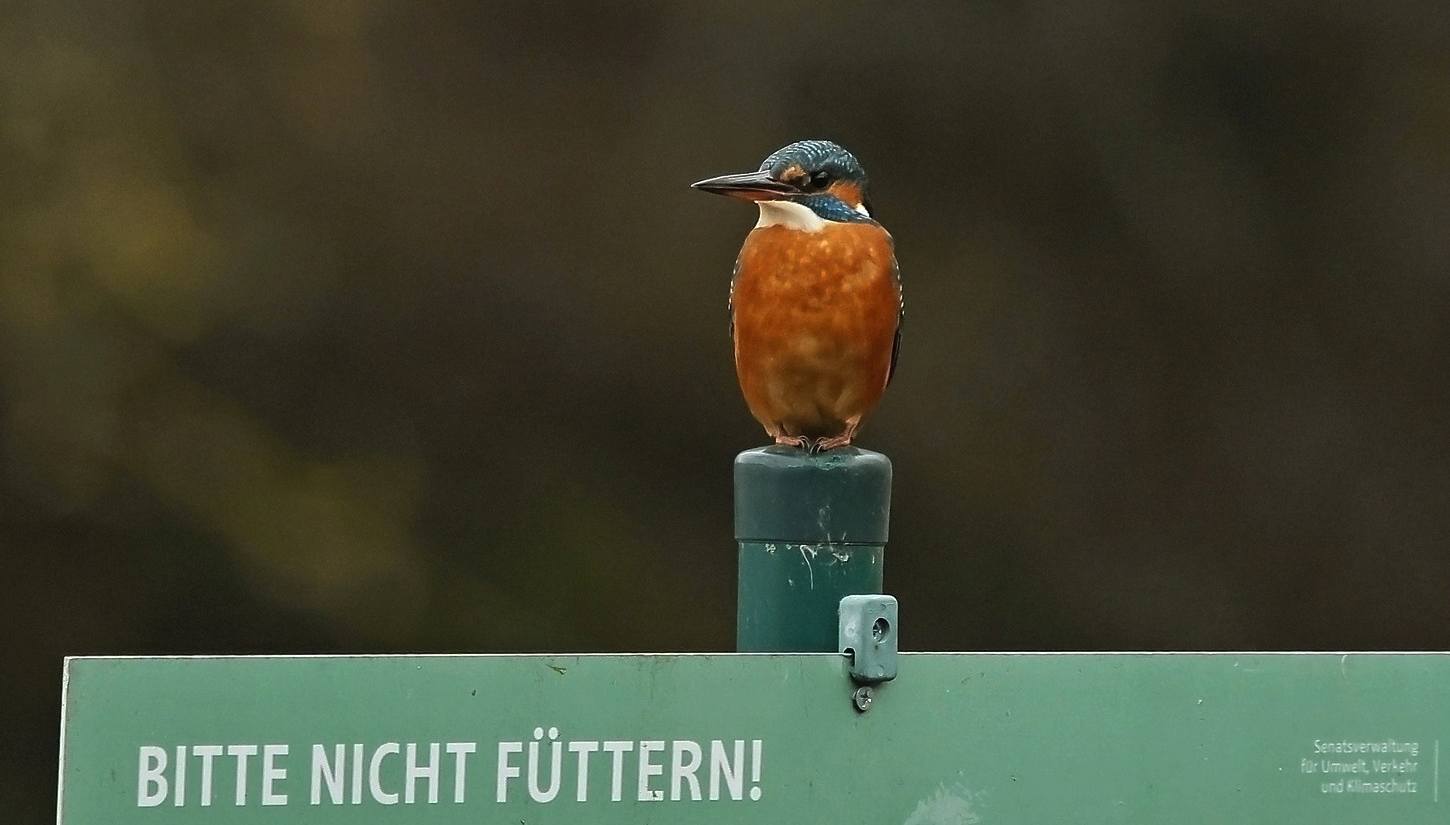
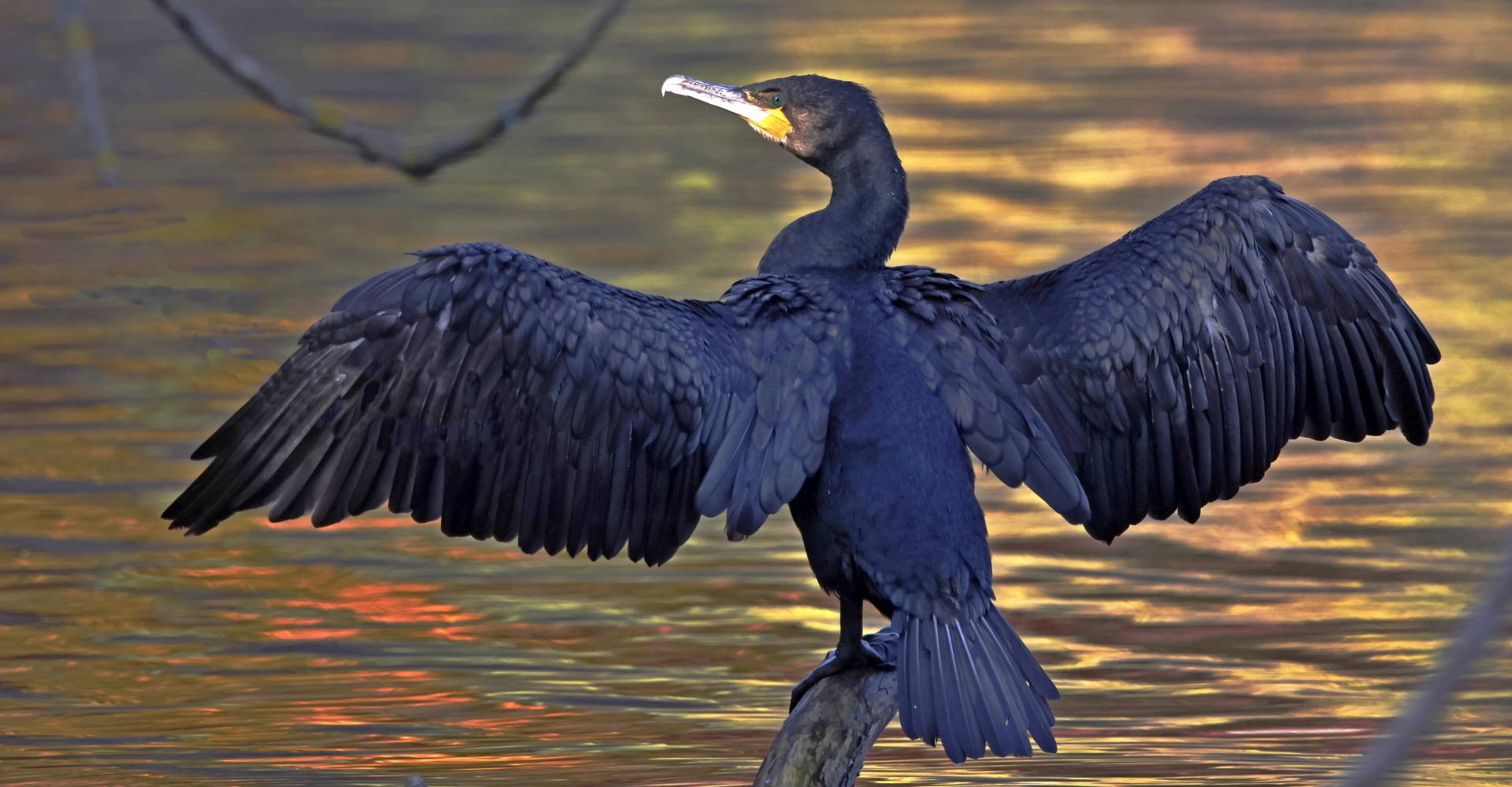
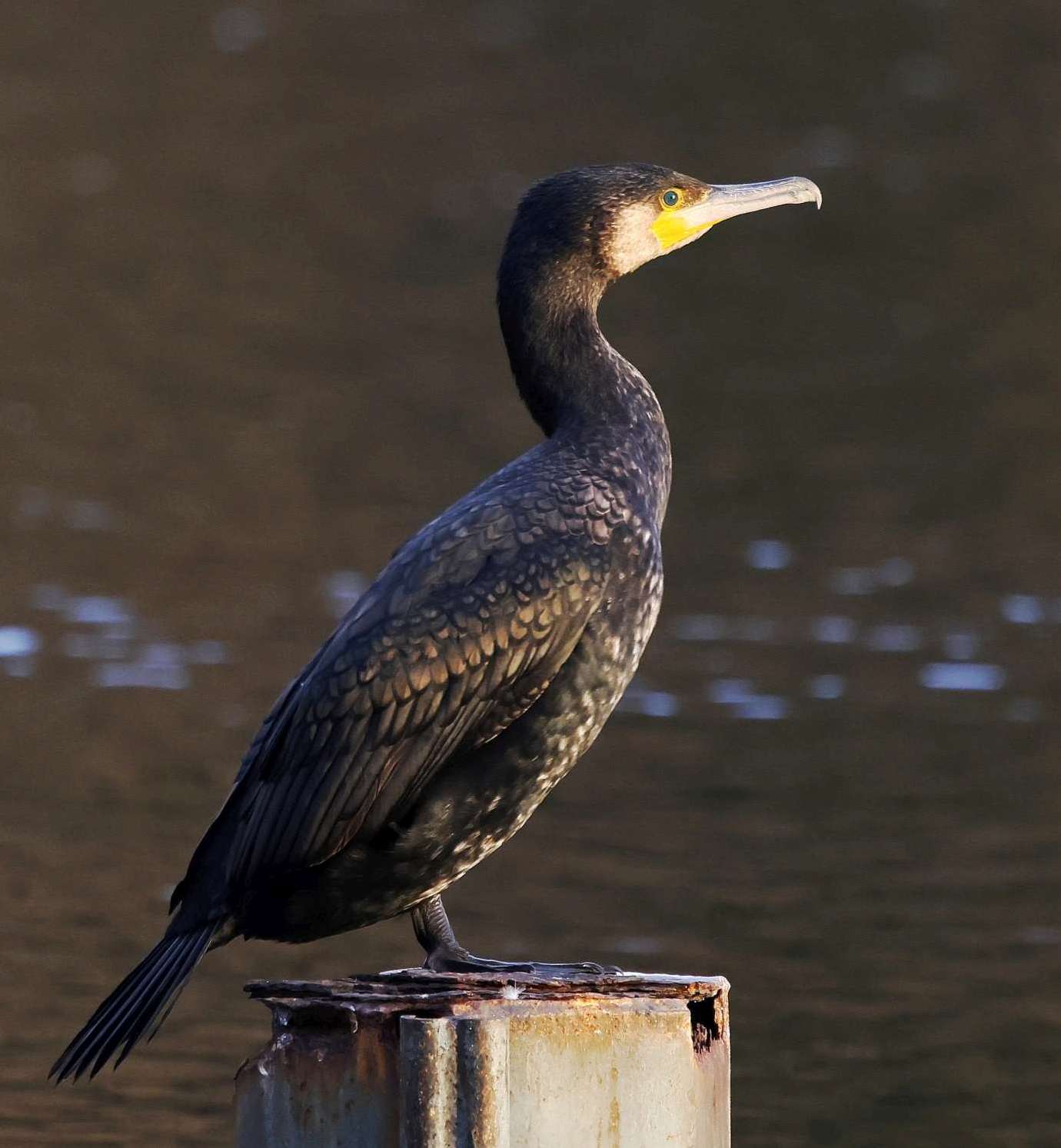
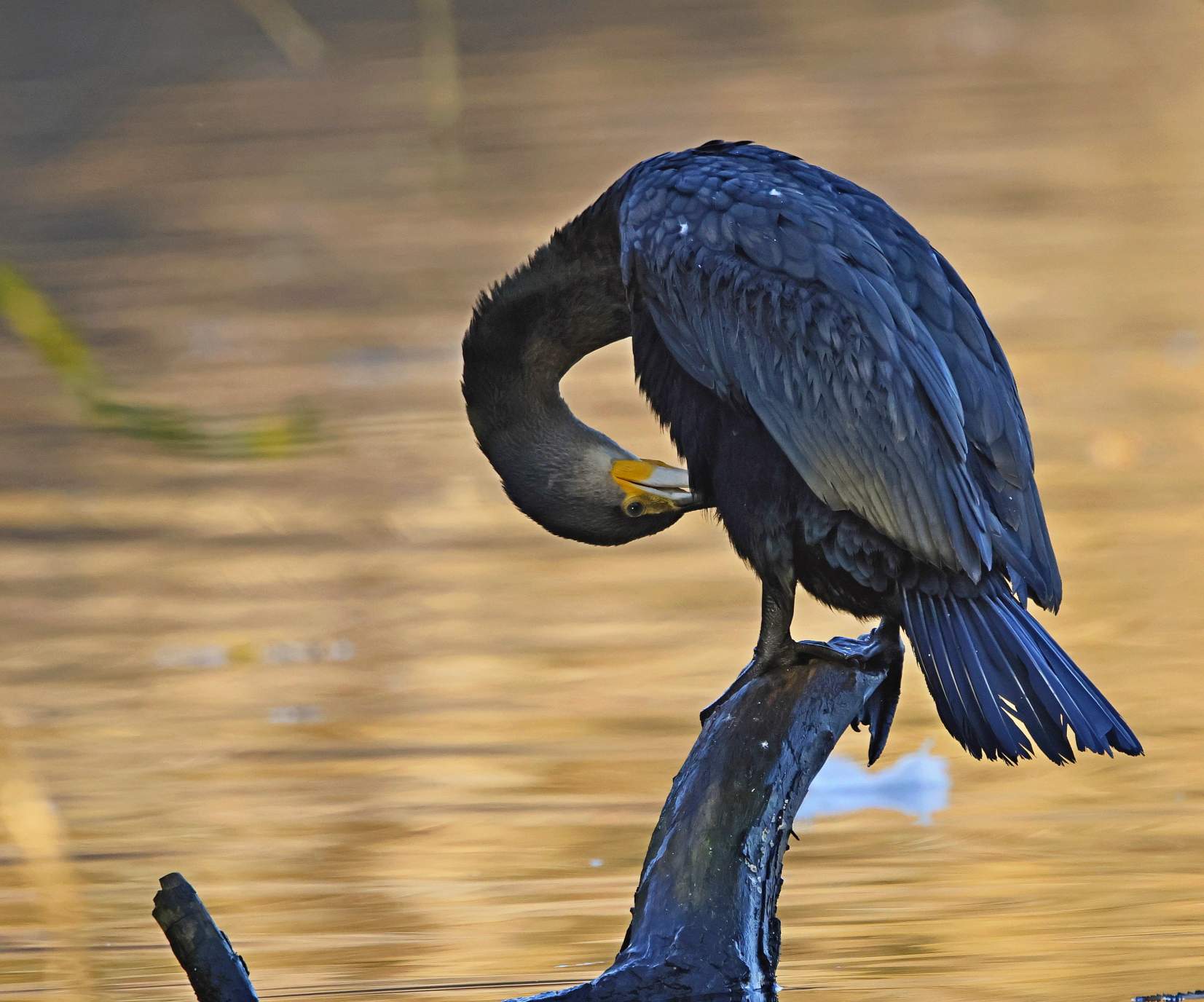
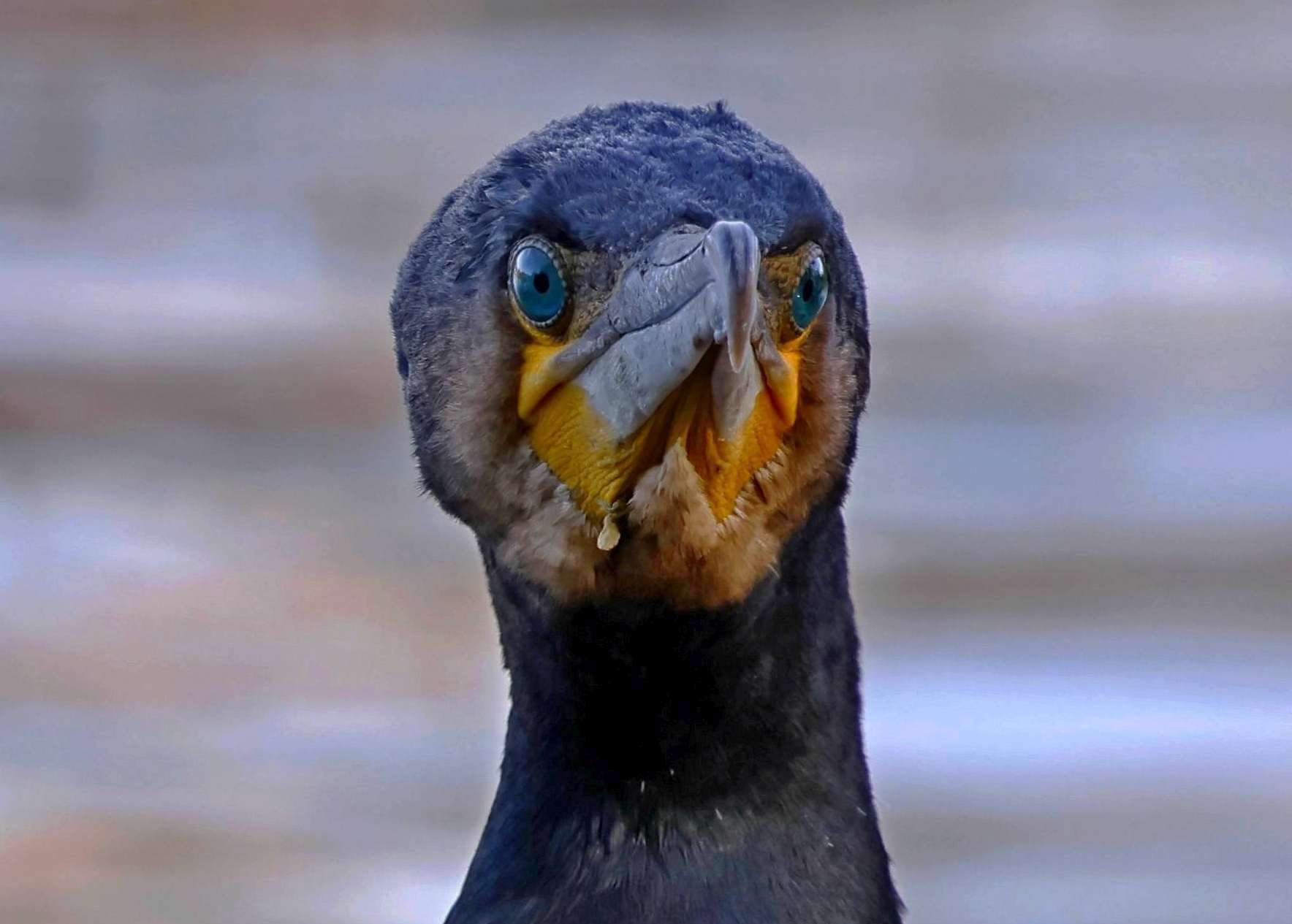
Photographs: Corinna Winkler
Schäfersee is a place where nature, urban life and human behaviour meet directly. Many people from the surrounding area observe what happens along the shore with great attention, are interested in the water quality, the birds and the development of the lake. Over the years, this has created a strong bond with Schäfersee.
At the same time, additional pressures also arise along the shore. Time and again, unsuitable food such as bread, toast or even leftover cake is thrown into the water or left at the edge of the lake. Such inputs may seem harmless at first glance, but they place an additional burden on an already sensitive urban waterbody and alter the environment of the lake.
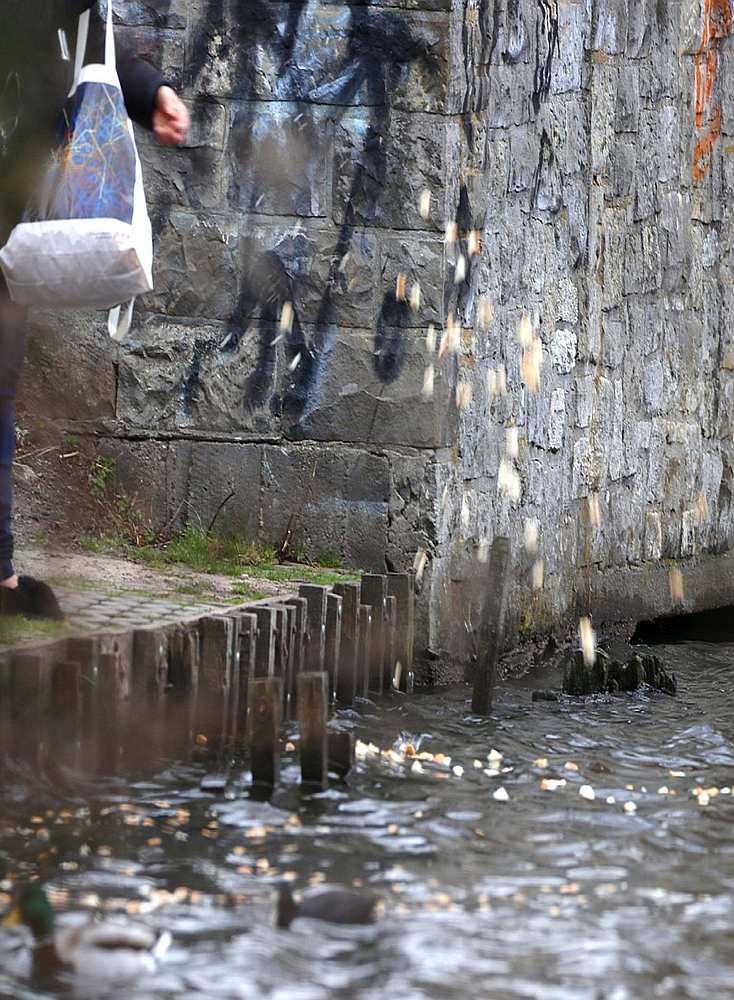
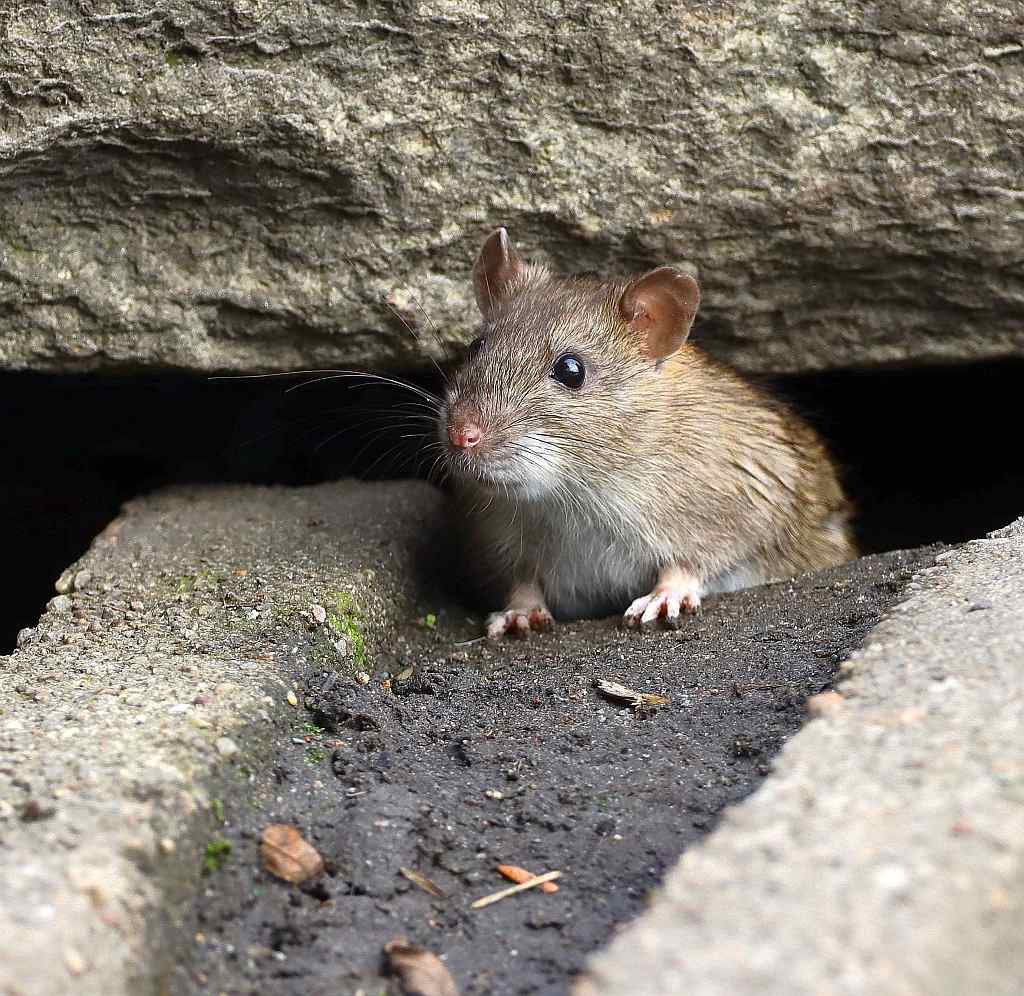
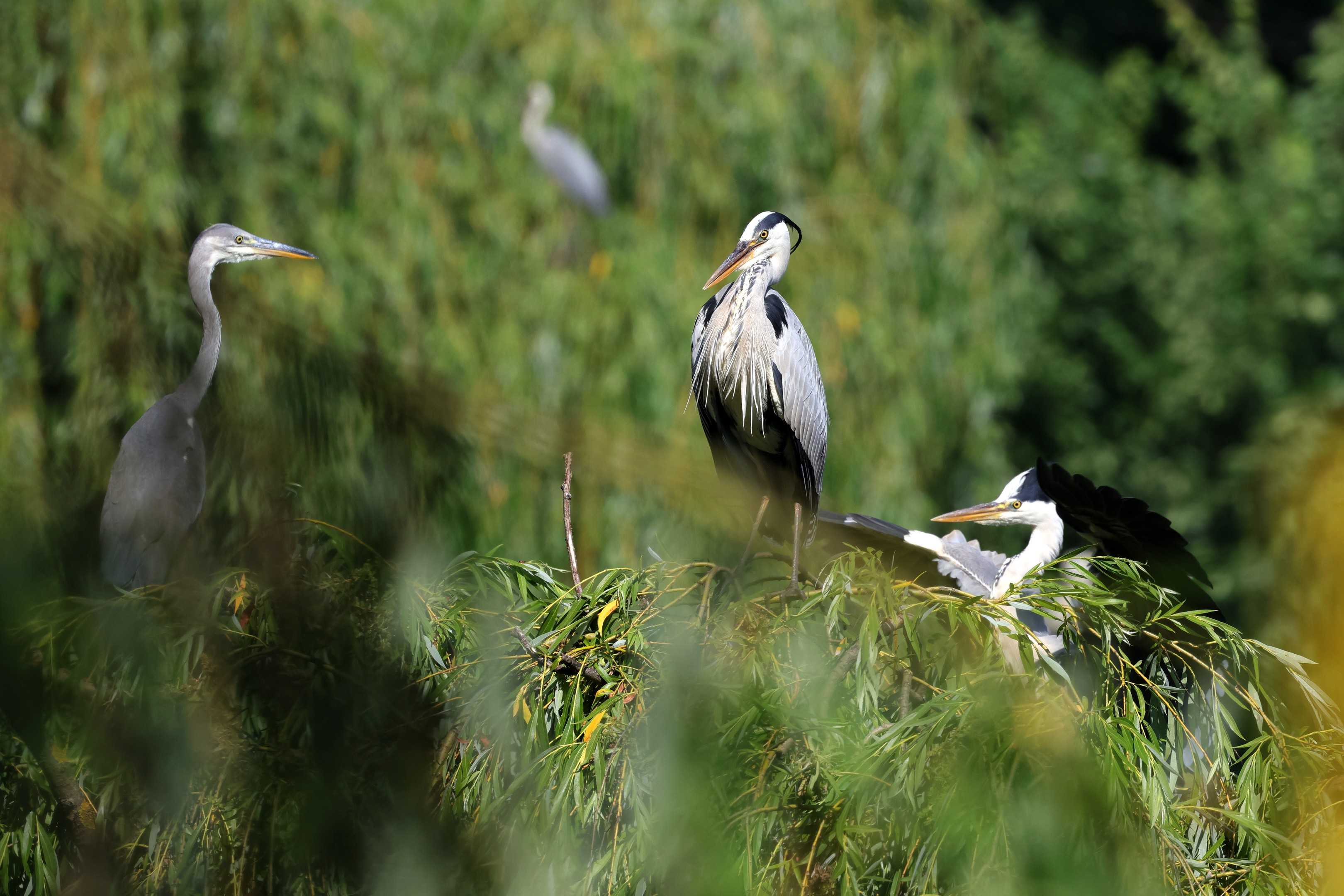
Photographs: Carmen Schiemann (feeding, rat); heron photograph: Jürgen Erdmann